
Why Eating Seasonally Supports Steadier BG Levels All Year Round
At T1D Wave Rider, we’re always looking for practical ways to help you navigate every glucose wave with more confidence.
One simple but powerful strategy?
Eating seasonally.
Seasonal eating isn’t about restriction or perfection. It’s about working with nature’s rhythm, choosing fruits and vegetables when they’re naturally at their best.
For families living with Type 1 Diabetes, this can mean
More fibre rich meals
Slower glucose absorption
Better time in range
Greater nutrient variety
More affordable shopping
Less reliance on ultra-processed foods
Let’s take a look at what seasonal eating offers across the year, and why it matters for T1D.
Spring (March-May)
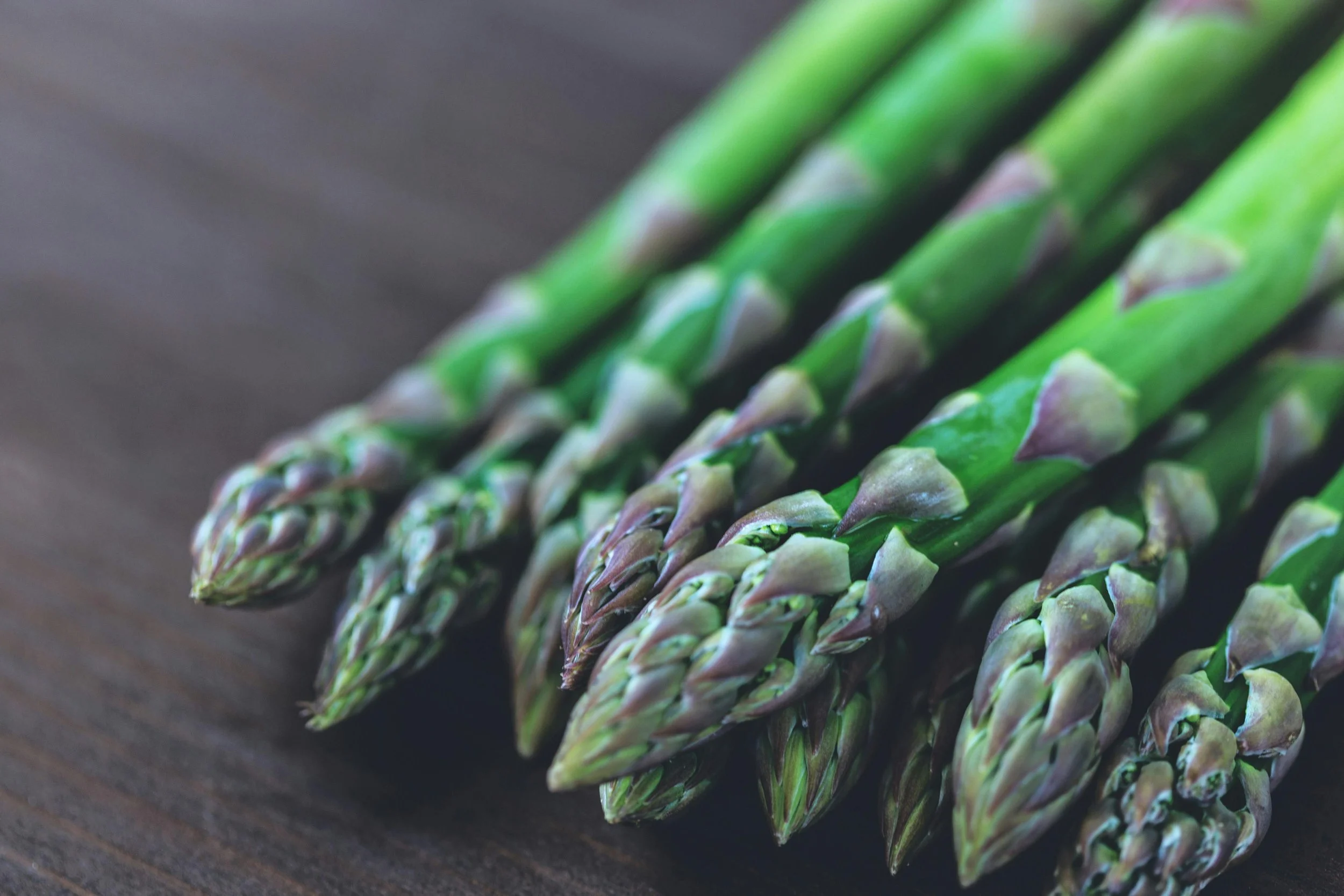
A season of lighter greens and fresh starts
Spring produce tends to be lower in carbohydrates and rich in micronutrients, perfect for refreshing plates after winter comfort foods.
Spring Vegetables
Asparagus
Purple sprouting broccoli
Spring greens
Spinach
Radishes
Watercress
Leeks
Why they support stable blood sugars:
Spring veg are typically:
Low in digestible carbs
High in fibre
Rich in magnesium (linked to insulin sensitivity)
Packed with antioxidants
They add volume to meals without significantly increasing insulin needs, ideal for smoothing out post meal rises.
Spring Fruits
Rhubarb
Strawberries (late spring)
Pro Tip: These are lower in sugar compared to tropical fruits and pair beautifully with protein or healthy fats to reduce spikes.
Summer (June- August)
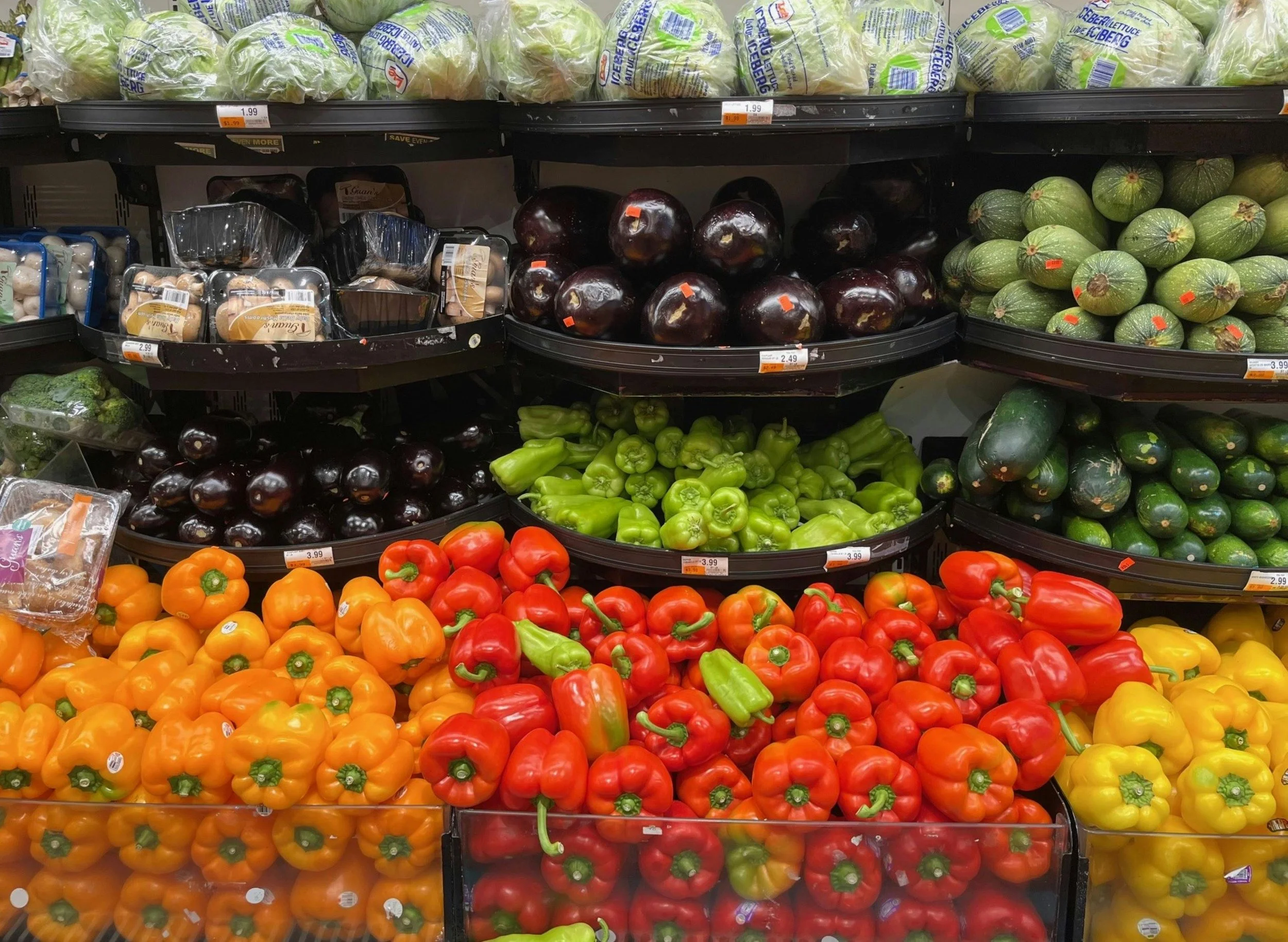
Colour, hydration and natural sweetness
Summer brings a wider fruit selection, which can absolutely fit into T1D management with mindful pairing.
Summer Vegetables
Courgettes
Tomatoes
Peppers
Cucumber
Lettuce
Aubergine
Green beans
Why they’re helpful:
Most summer veg are:
High water content
Low carbohydrate
Easy to build into balanced meals
They support hydration (important during warmer months when glucose can fluctuate more easily).
Summer Fruits
Strawberries
Raspberries
Blueberries
Cherries
Peaches
Plums
Pro Tip: Berries are particularly helpful, lower glycaemic load and high in fibre. Pair fruit with Greek yoghurt, nuts or seeds to blunt rapid rises.
Autumn (September- November)
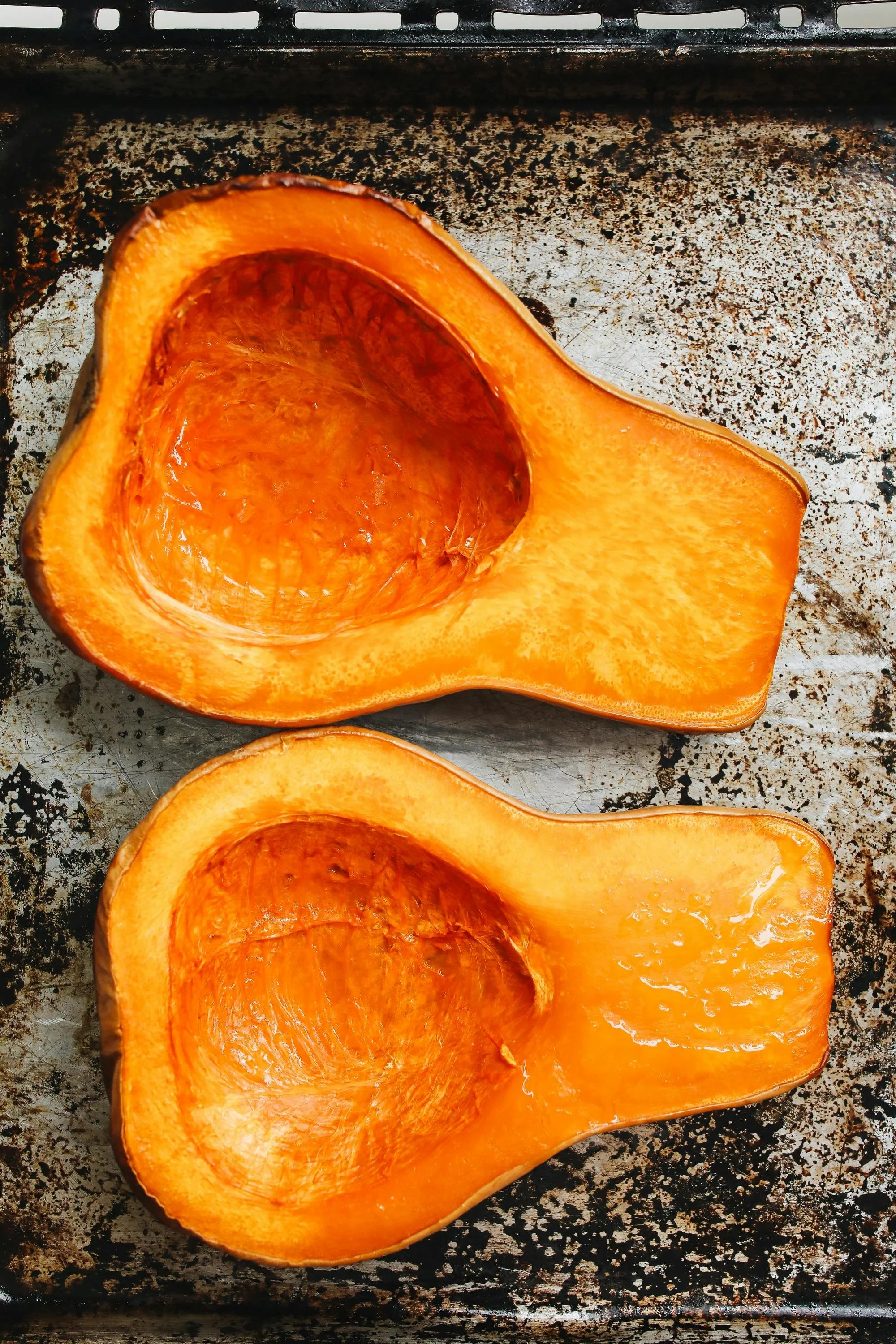
Hearty roots and steady energy
Autumn brings more starchy vegetables, which can provide sustained fuel when portioned thoughtfully.
Autumn Vegetables
Butternut squash
Pumpkin
Sweet Potatoes
Carrots
Parsnips
Beetroot
Cauliflower
Cabbage
Why they work:
Root vegetables contain carbohydrates, but also fibre, meaning slower digestion compared to refined carbs.
When paired with protein and fat, they can provide:
Sustained energy for school and sports
More predictable glucose curves
Autumn Fruits
Apples
Pears
Blackberries
Pro Tip: Apples and pears contain soluble fibre (pectin), which slows glucose absorption. Always best eaten whole rather than juiced.
Winter (December- February)
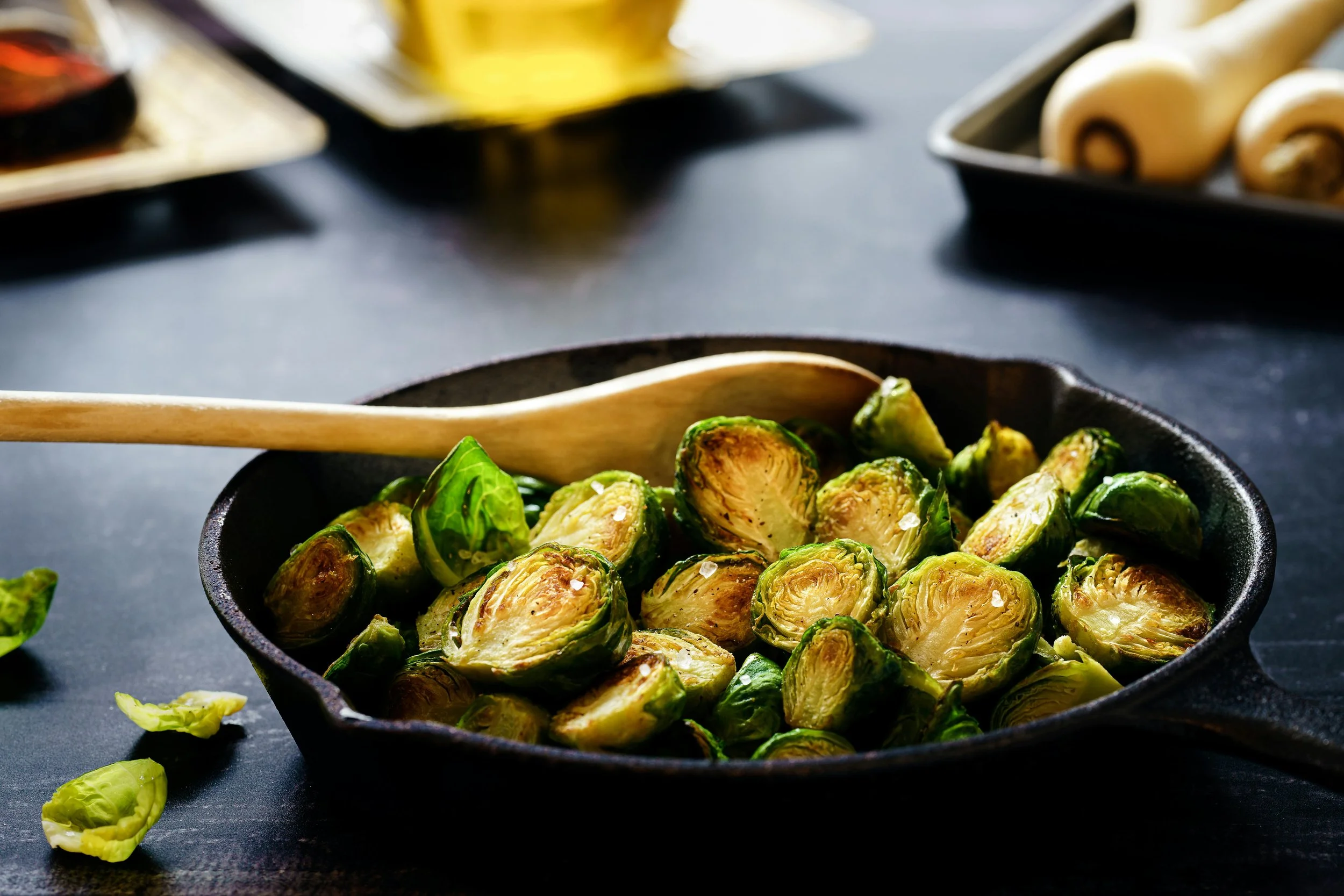
Fibre rich, budget friendly stability
Winter vegetables are some of the most glucose supportive of the year.
Winter Vegetables
Brussels sprouts
Kale
Cabbage
Leeks
Swede
Parsnips
Carrots
Mushrooms
Purple sprouting broccoli
Why they’re powerful for T1D:
High fibre content
Lower glycaemic impact
Support gut health
Promote satiety
Often more affordable
These vegetables are perfect for soups and traybakes, naturally balanced meals that help slow glucose absorption.
Winter Fruits
Stored apples
Pears
Citrus fruits (oranges, satsumas)
Citrus fruits provide fibre and vitamin C, helpful during illness season when blood sugars can be more unpredictable.
Pro Tip: Citrus fruits provide fibre and vitamin C, helpful during illness season when blood sugars can be more unpredictable.
Why Seasonal Eating Helps T1D Year Round
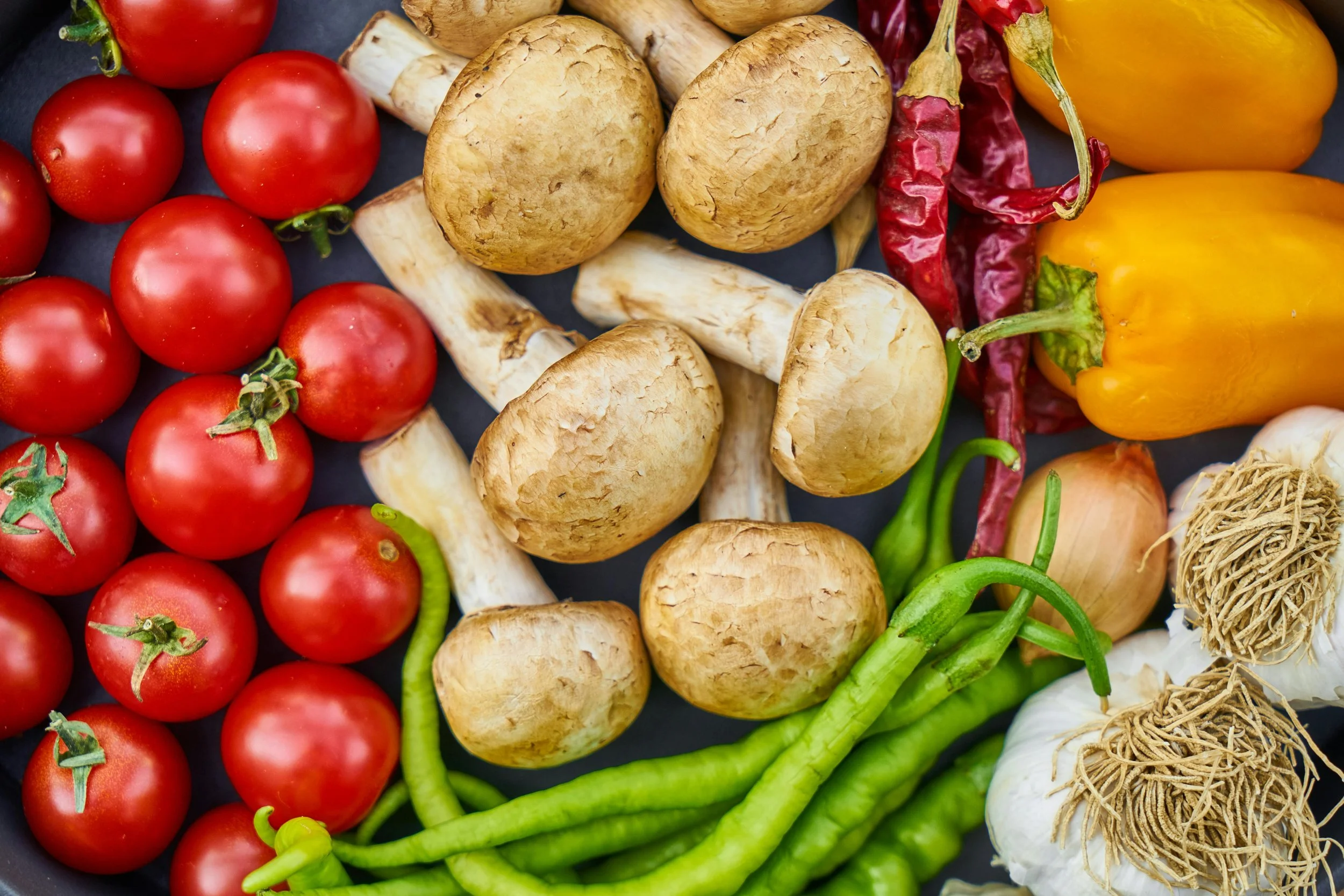
Across every season, eating seasonally supports:
Fibre Diversity
Different vegetables across the year feed different gut bacteria. A healthy gut microbiome is increasingly linked to better glucose regulation.
More Predictable Meals
Whole, seasonal foods often lead to steadier digestion compared to highly processed foods.
Lower Food Costs
Seasonal produce is usually more abundant and locally grown, making it more affordable for families balancing the cost of diabetes supplies.
Naturally Balanced Plates
Seasonal meals tend to combine:
Fibre
Protein
Healthy fats
That trio is one of the strongest tools for smoother CGM graphs.
The T1D Wave Rider All Year Round Plate Formula
No matter the season:
Half your plate: Non-starchy vegetables
Quarter plate: Protein
Quarter plate: Counted carbohydrates
Add healthy fats
This structure:
Slows digestion
Reduces sharp spikes
Improves satiety
Supports steadier time in range
How to Find What’s In Season in Your Area
Seasonality can vary slightly across the UK and in whatever other country you may be reading this.
Here’s how to check what’s freshest near you:
Use Seasonal Food Calendars or Apps
Check Supermarket Labels (for local grown produce)
Visit Local Greengrocers & Farmers Markets (usually stocked is what’s freshest from nearby)
Watch Pricing & Displays (large displays at lower prices often signal peak season)
Final Thoughts
Eating seasonally isn’t about perfection. It’s about rhythm. It’s about variety. It’s about working with the natural flow of the year, just like we work with glucose waves.
By rotating fruits and vegetables throughout the seasons, you naturally increase fibre diversity, improve nutrient intake, and support steadier blood sugars.
