
Healthy Foods That Spike Blood Sugar in Diabetes- What’s Missing From the Plate (and What to Add Instead)
As a parent of a child or teenager living with Type 1 Diabetes, or living with T1D yourself, you quickly become a food detective. Every blood sugar spike prompts the same questions: What caused it? Did I carb count correctly? Was it the food, the timing, the activity, too much of something?
The advice often sounds the same: remove, limit or avoid certain foods. However, for many toddlers, children, and teenagers living with diabetes, the real issue isn’t what’s on the plate- it’s what’s missing from it.
Many foods that are considered healthy can cause blood sugar spikes when eaten on their own. Not because they’re “bad,” but because they lack the protein, fat, or fibre needed to slow digestion and support steadier glucose levels. In diabetes management, better blood sugar control often doesn’t come from taking food away- it comes from adding the right foods alongside it.
By learning how to build balanced meals using simple food pairings, families and those with T1D can improve post-meal glucose levels, reduce spikes and crashes, and create meals that are more predictable, satisfying, and sustainable- especially for growing toddlers, children, and teens.
Why Adding to the Plate Improves Blood Sugar Control
Carbohydrates raise blood sugar, and they should. Children need carbohydrates for growth, learning and energy. Problems arise when carbohydrates are eaten without enough protein, fat, or fibre to slow digestion.
Adding these nutrients:
Slows glucose absorption
Reduces sharp spikes and crashes
Supports more predictable insulin timing
Improves time in range
Balanced meals support not only blood sugar but also energy levels, mood, and long-term confidence around food.
1. Fruit: Nutritious, but Fast-Acting on Its Own
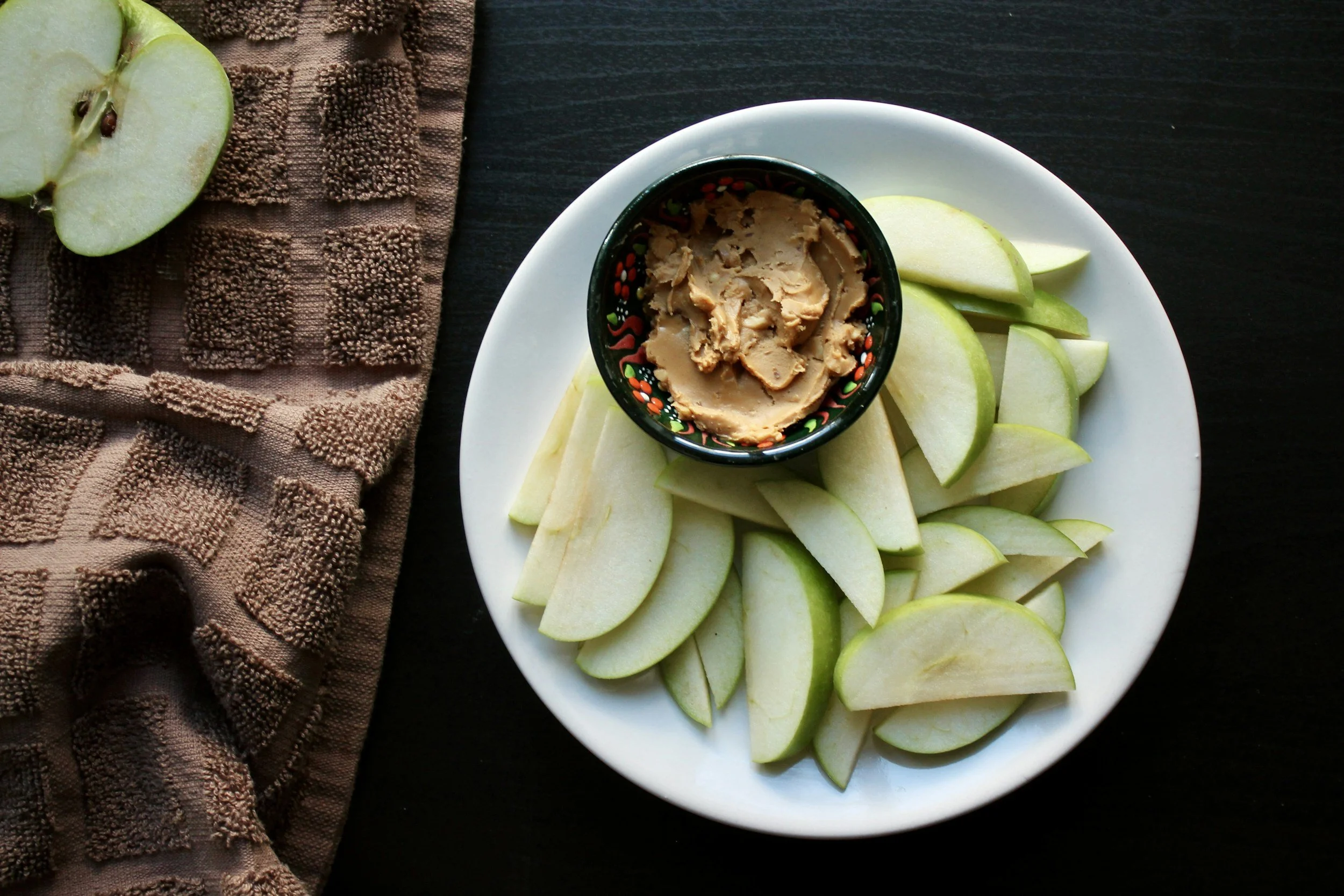
Fruit contains natural sugars and digests quickly when eaten alone.
What’s missing from the plate?
Protein and fat.
What to add instead
Toddlers
Apple slices + peanut butter
Banana + full-fat yoghurt
Children
Sliced grapes + cheese cubes
Apple + nut butter
Teens
Fruit + Greek yoghurt
Protein smoothie with berries
2. Oatmeal: A Healthy Carb That Still Needs Balance
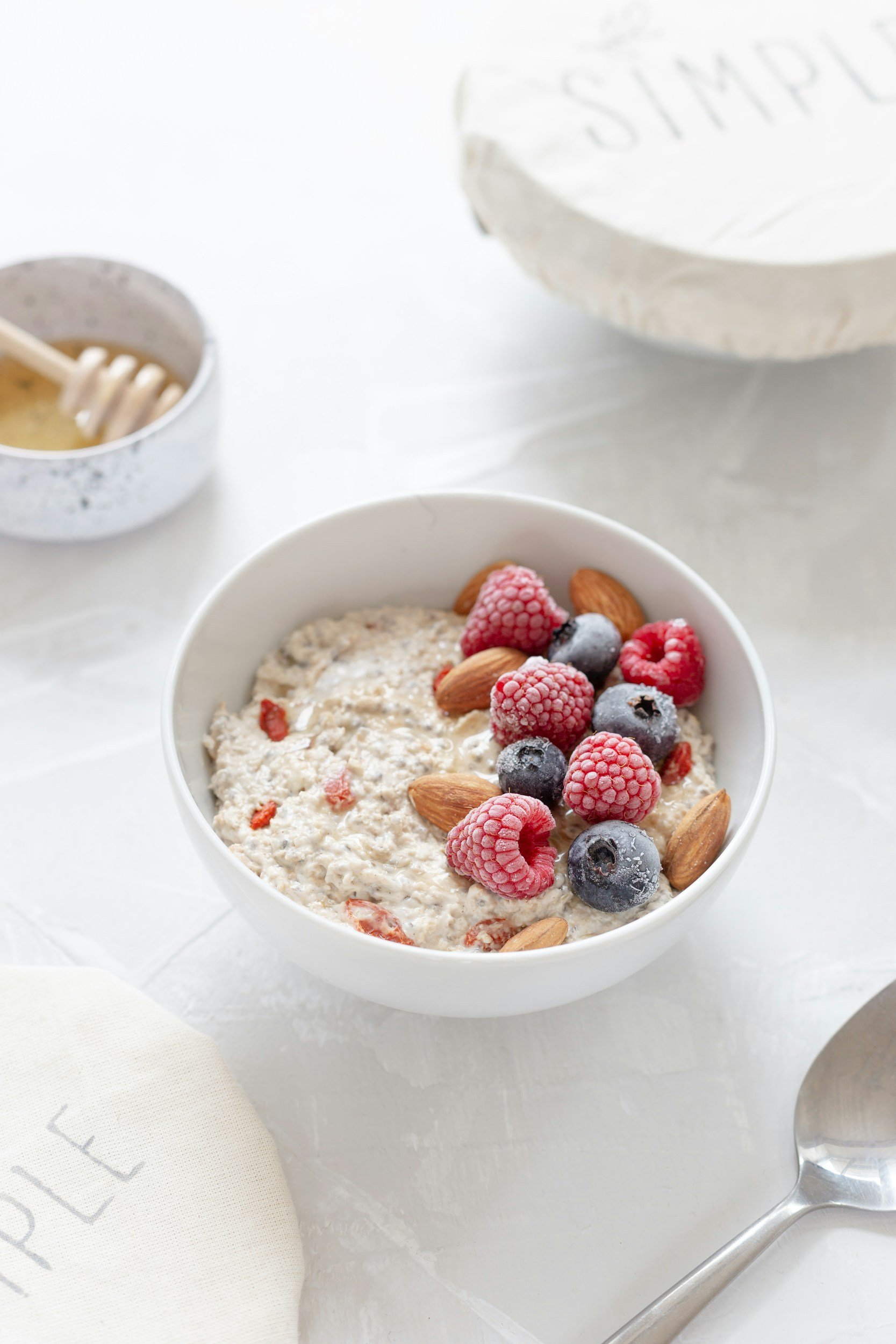
Oats are high in fibre but remain carbohydrate dense.
What’s missing from the plate?
Protein and fat.
What to add instead
Toddlers
Oats cooked with whole milk
Nut butter or chia seeds mixed in
Children
Oatmeal with eggs
Seeds and yoghurt stirred through
Teens
Protein oats
Savoury oats with eggs and avocado
3. Eggs: Low-Carb Doesn’t Mean Blood Sugar Neutral
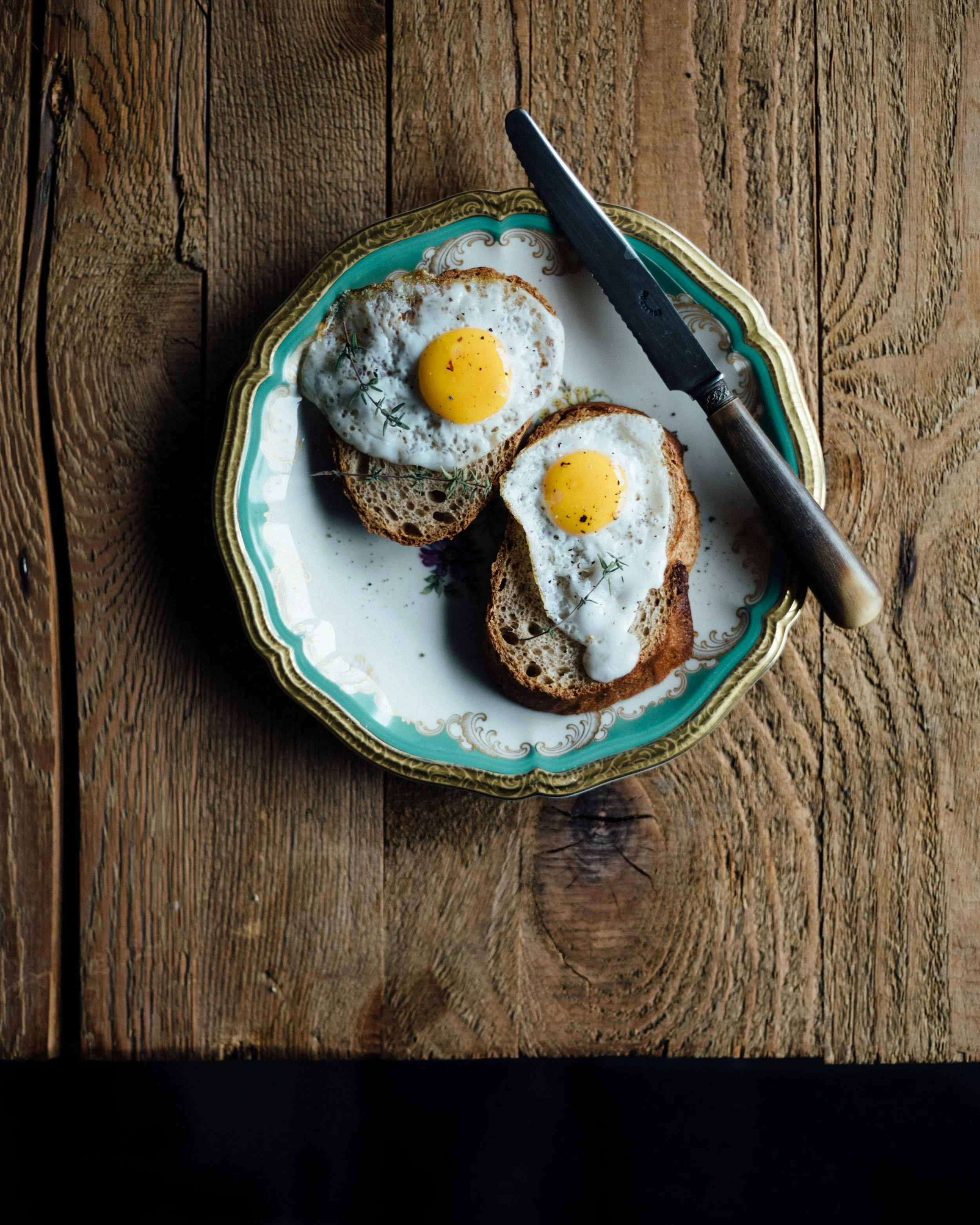
Eggs are rich in protein and fat but contain no carbohydrates
What’s missing from the plate?
Carbohydrates
What to add instead
Toddlers
Scrambled eggs + toast fingers
Children
Eggs with whole-grain toast
Teens
Eggs with sweet potato
Breakfast sandwich on whole-grain bread
4. Avocado: Healthy Fat, Not a Complete Meal
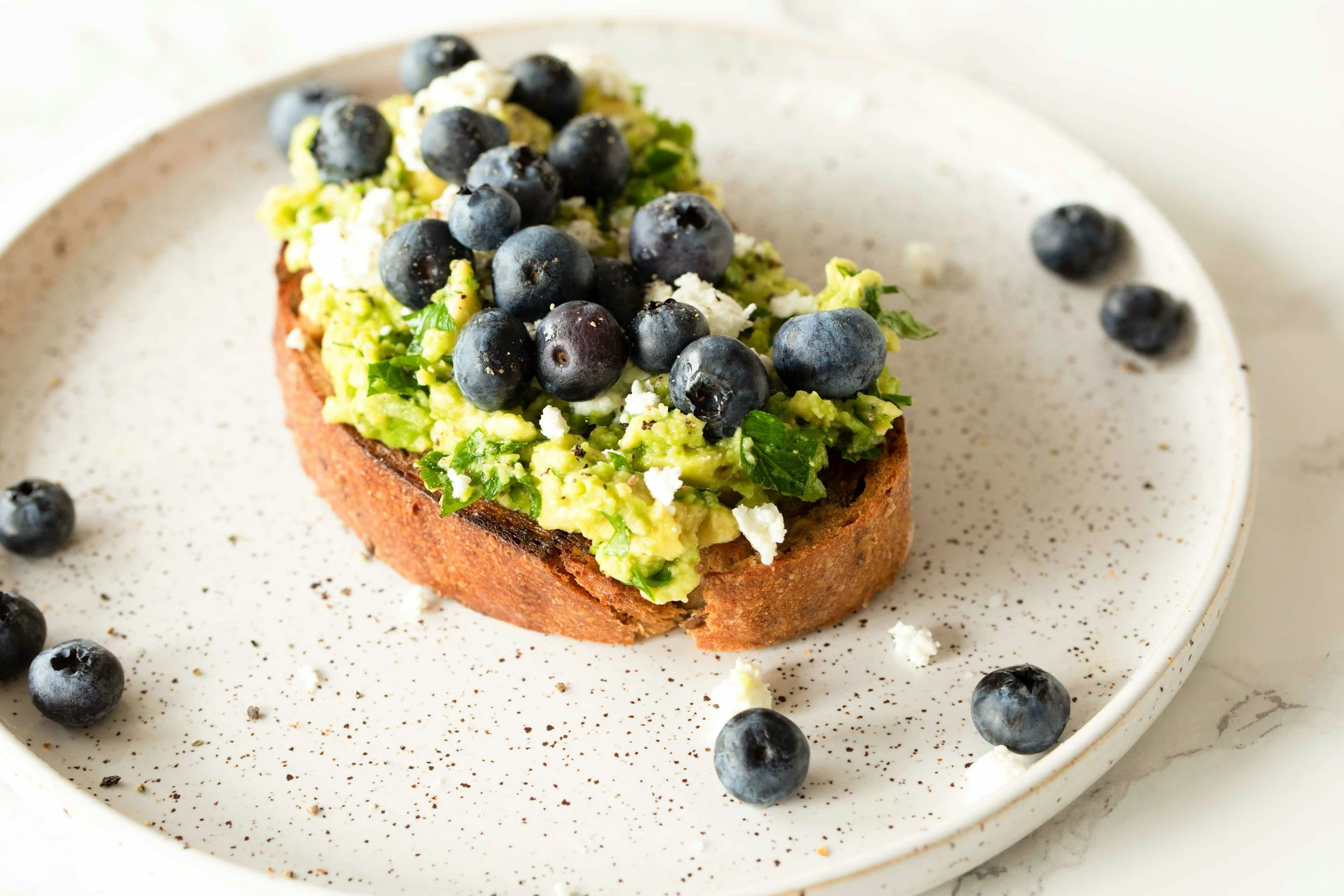
Avocado is nutrient dense, but lacks protein and carbs.
What’s missing from the plate?
Protein and carbohydrates.
What to add instead
Toddlers
Avocado on toast
Mashed avocado with beans
Children
Avocado toast with egg
Teens
Avocado bowls with chicken or tofu
5. Yoghurt: Healthy, but Often Too Fast Alone
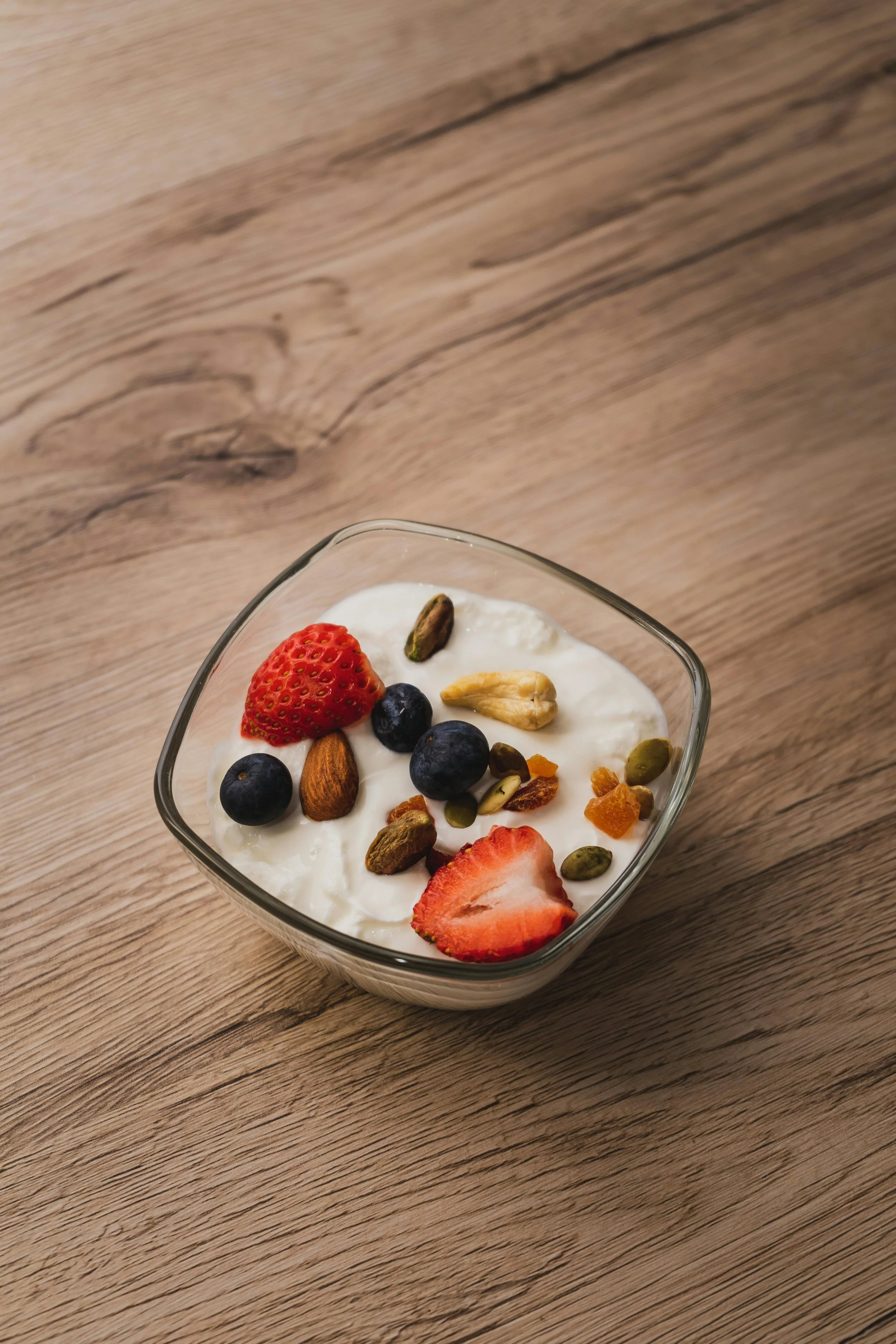
Yoghurt contains natural sugar and is often low in fibre.
What’s missing from the plate?
Protein and fibre.
What to add instead
Toddlers
Full-fat yoghurt + nut butter swirl
Children
Yoghurt with berries and seeds
Teens
Greek yoghurt with protein powder
6. Smoothies: Nutritious, but Easy to Spike Blood Sugar
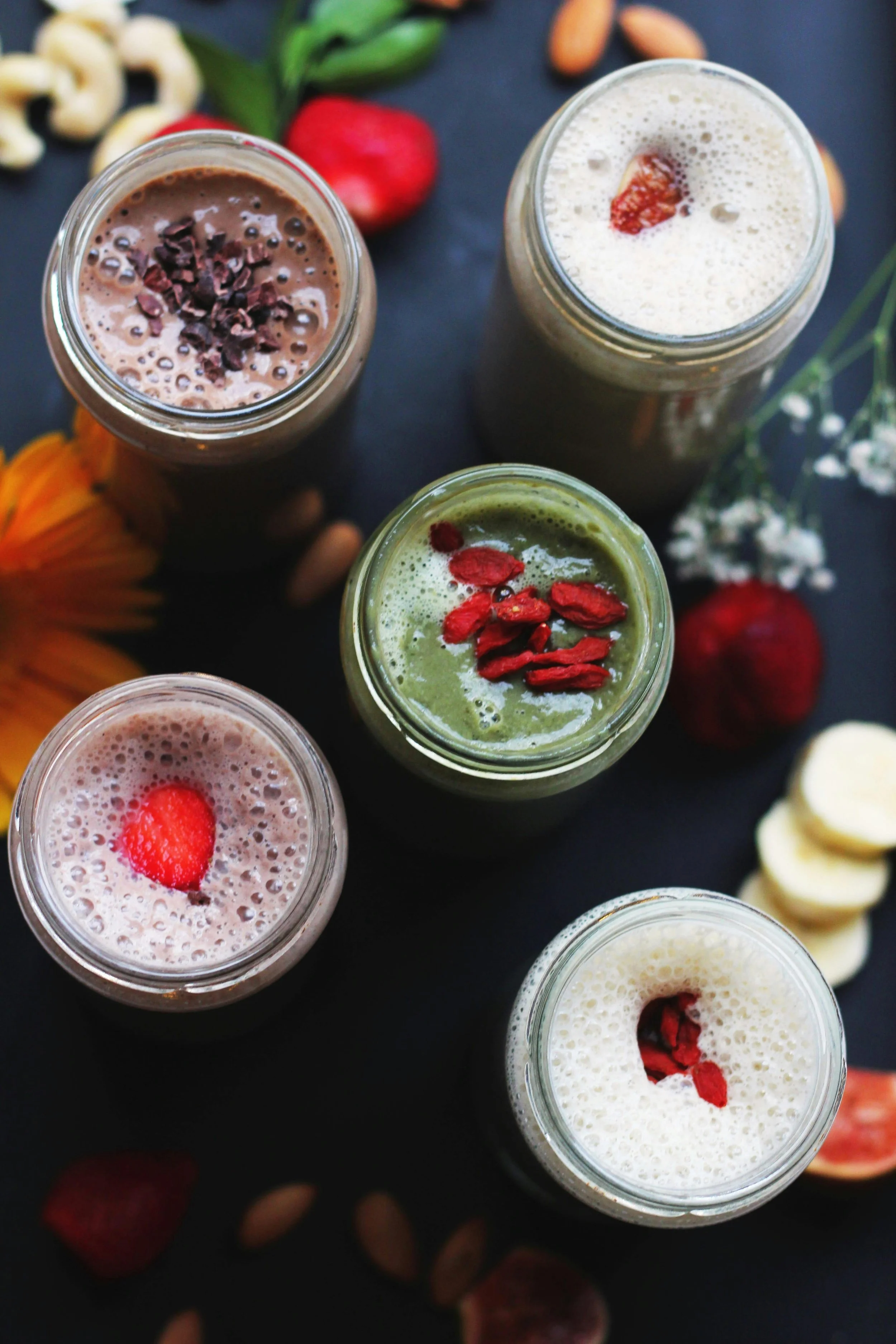
Blended foods digest faster than whole foods.
What’s missing from the plate?
Structure from protein, fat and fibre
What to add instead
Toddlers
Milk, banana, and nut butter
Children
Yoghurt-based smoothies with seeds
Teens
Protein powder, frozen berries, avocado
7. Rice Cakes, Crackers & Light Snacks
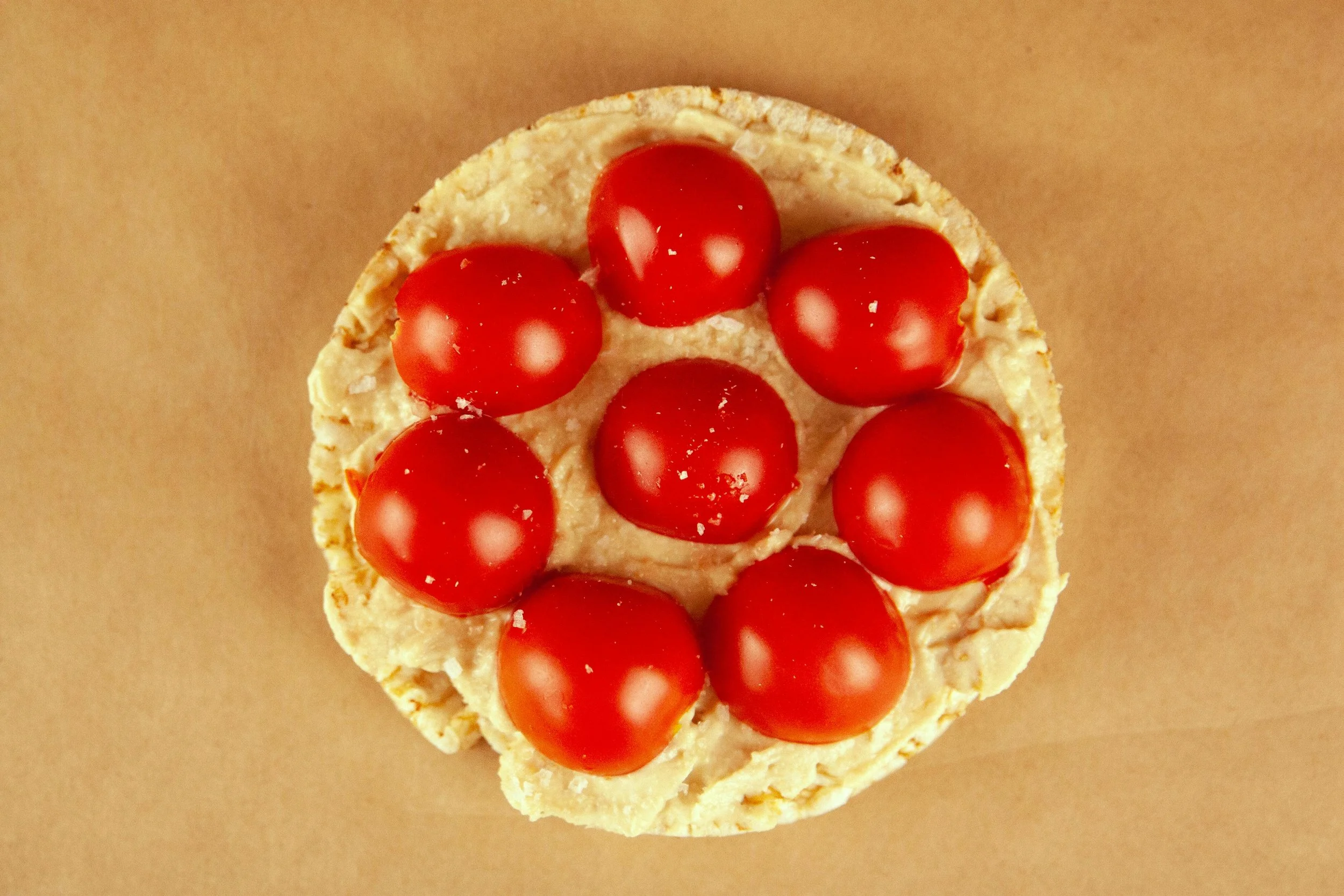
These foods digest very quickly when eaten alone
What’s missing from the plate?
Protein and fat.
What to add instead
Toddlers
Crackers with cheese
Children
Rice cakes with hummus
Teens
Nut butter, avocado, or chicken
8. Potatoes: Whole Food, Fast-Digesting Carb
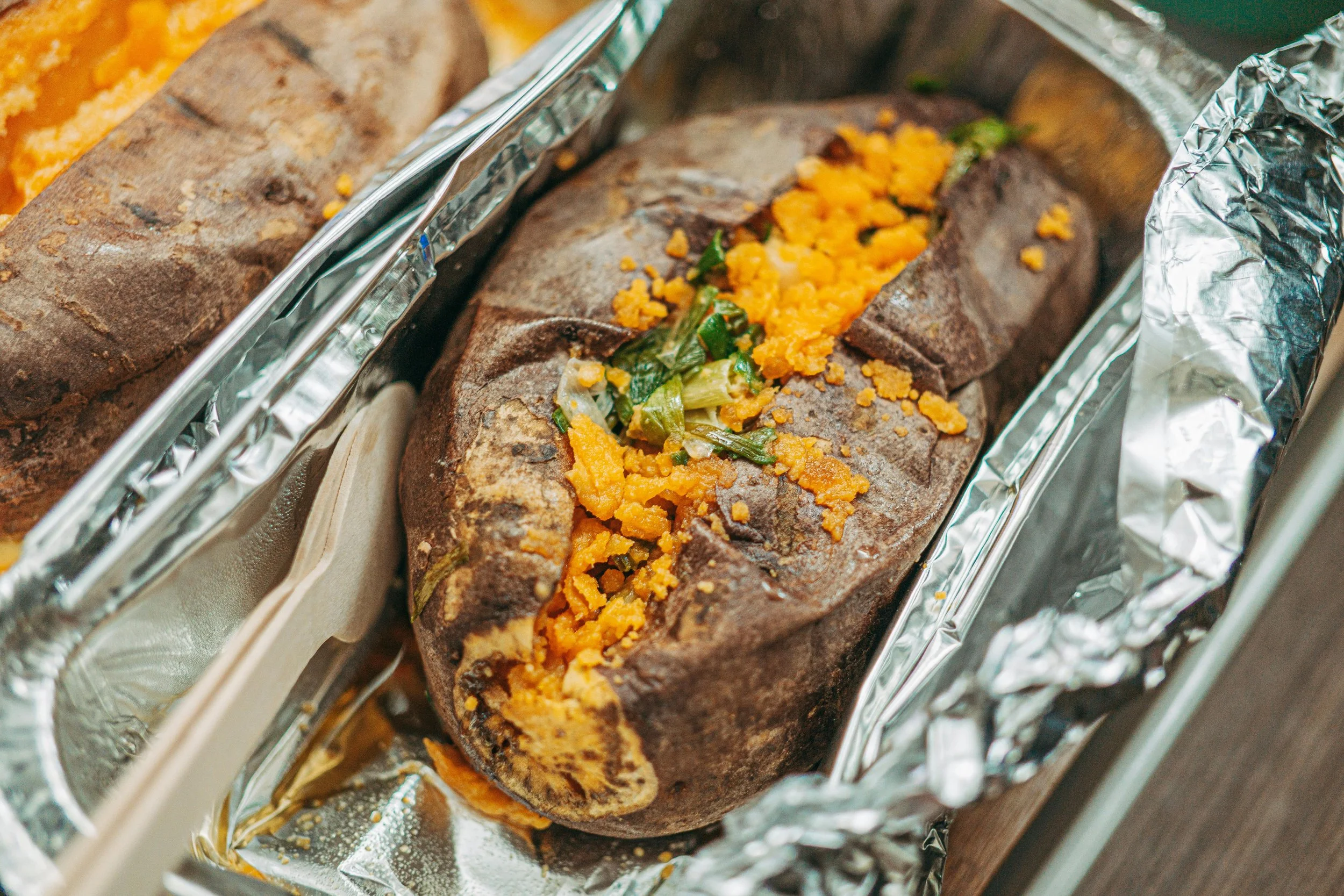
Potatoes are nutritious but spike glucose without balance.
What’s missing from the plate?
Protein and fat.
What to add instead
Toddlers
Mashed potatoes with butter and protein
Children
Jacket potato with cheese and beans
Teens
Sweet potato with chicken or avocado
9. Cereal: Fortified, but Carb-Heavy
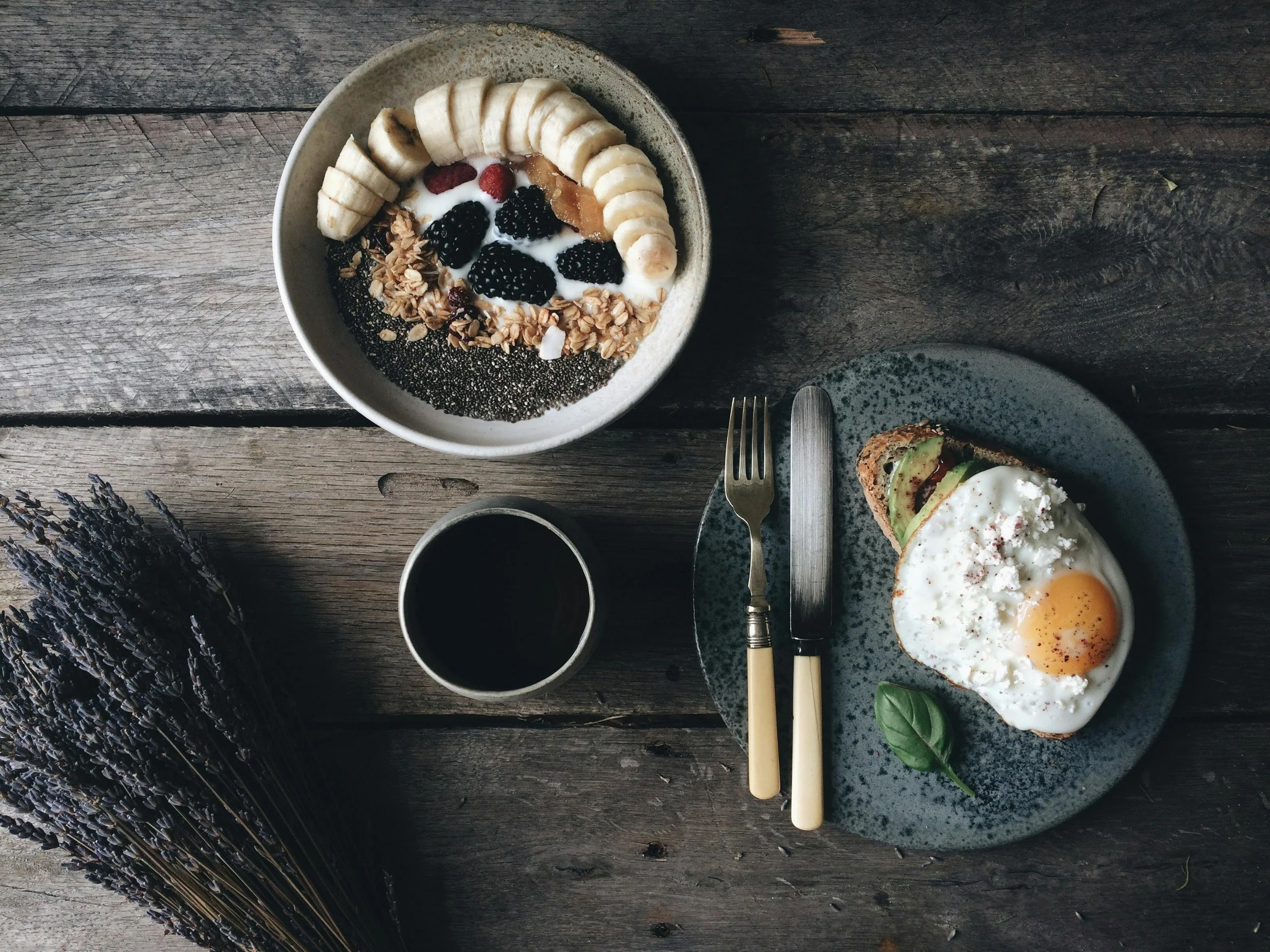
Many cereals are low in protein and fibre.
What’s missing from the plate?
Protein and fat.
What to add instead
Toddlers
Whole milk
Toast with nut butter alongside
Children
Cereal paired with eggs or yoghurt
Teens
High-protein cereal with nuts or seeds
10. Salad: Looks Balanced, Often Isn’t
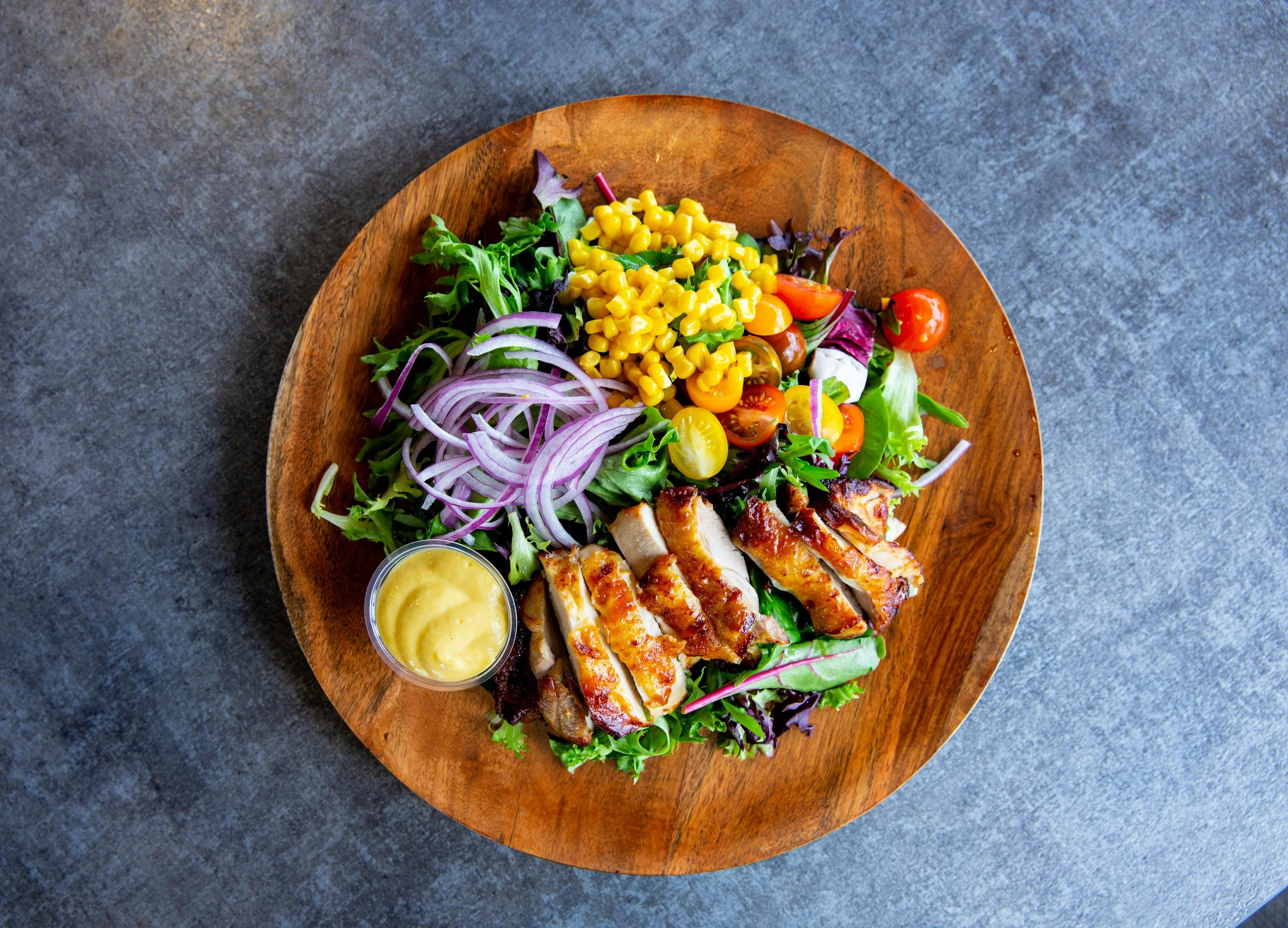
Leafy greens alone can lead to dips or rebound highs.
What’s missing from the plate?
Carbohydrates and protein.
What to add instead
Toddlers
Pasta or bean-based salads
Children
Chicken, cheese, quinoa
Teens
Protein, grains, healthy fats
Final Thoughts: Better Blood Sugar Control Comes from Adding, Not Avoiding
For toddlers, children, and teenagers living with diabetes, better glucose control rarely comes from restriction. It comes from understanding what’s missing from the plate and adding it back in.
When protein, fat, and fibre are added alongside carbohydrates:
Digestion slows
Blood sugar becomes more predictable
Meals feel more satisfying and sustainable
Instead of asking, “Should we avoid this food?”
Ask, “What can we add to make this meal work better?”
Because in diabetes management, balance- not removal- is what builds steadier blood sugar and healthier relationships with food.
