
Essential Vitamins for Children and Teens with T1D
When your child or teen is living with Type 1 Diabetes (T1D), nutrition becomes about more than just carb counting. It’s about supporting their immune system, bone health, energy levels, and long term well being.
While no vitamins can “treat” T1D, certain nutrients are particularly important for children and teenagers managing blood glucose levels, growth, puberty, sport and the daily demands of diabetes care.
Here’s a practical guide to the most important vitamins (and key nutrients), why they matter for T1D, and how to naturally support them through food, sunlight and sleep.
1. Vitamin D- Immune & Bone Support
Vitamin D is one of the most discussed nutrients in relation to T1D due to T1D being an autoimmune condition, and Vitamin D playing a key role in immune regulation.
Children and teens with T1D are also managing:
Increased inflammation during illness
Bone development during growth spurts
Hormonal changes during puberty
Low Vitamin D levels are common in many areas with limited sunlight exposure.
Why it matters:
Supports immune function
Helps regulate inflammation
Essential for calcium absorption and strong bones
May support insulin sensitivity

Natural sources:
Sunlight (10-20 minutes exposure in spring/summer, when possible)
Oily fish (salmon, mackerel, sardines)
Egg yolks
Fortified dairy or plant milks
Mushrooms exposed to UV lights
2. B Vitamins- Energy & Nerve Health
B vitamins (particularly B12, B6 and folate) are essential for energy metabolism. Since children with T1D are constantly balancing glucose levels, their bodies rely heavily on efficient energy processing.
Why they matter:
Help convert food into usable energy
Support brain function and focus
Maintain healthy nerves
Important during growth and puberty
Long term high glucose levels can affect nerve health, making adequate B vitamin intake important.

Natural sources:
Lean meats (chicken, turkey)
Fish
Eggs
Whole grains
Leafy greens (spinach, kale)
Beans and lentils
Dairy products
Encouraging balanced meals with protein, fibre and healthy carbs supports both B vitamin intake and stable glucose levels.
3. Vitamin C- Immune Defence & Healing
Illness often sends glucose levels higher. Vitamin C supports the immune system and helps with wound healing, something especially important for people with diabetes.
Why it matters:
Strengthens immune response
Supports healing
Acts as an antioxidant to reduce inflammation
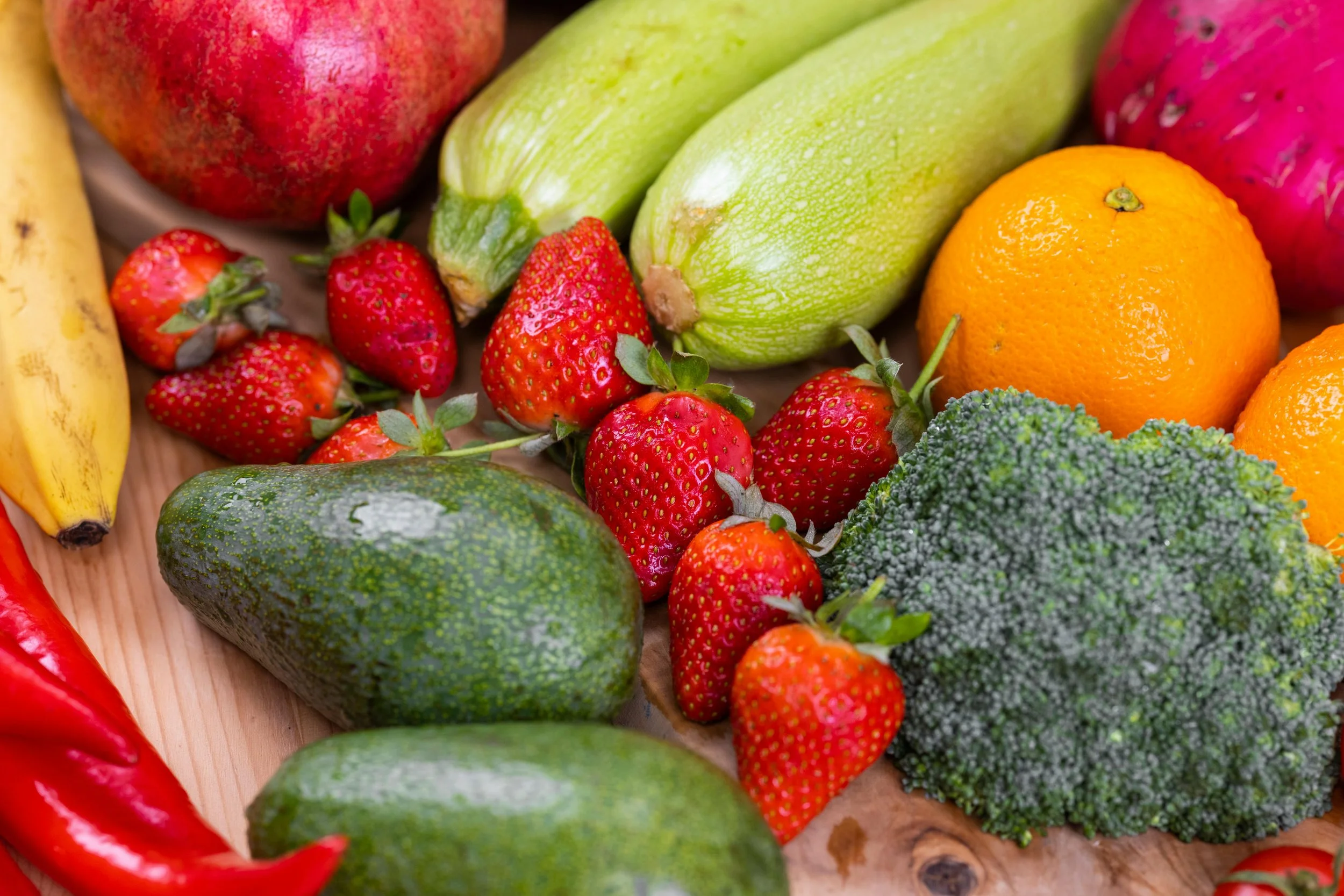
Natural sources:
Oranges and satsumas
Strawberries
Kiwi
Red peppers
Broccoli
Tomatoes
Whole fruits also provide fibre, which slows glucose spikes compared to fruit juice.
4. Vitamin E- Antioxidant Protection
Vitamin E helps protect cells from oxidative stress. Blood glucose fluctuations can increase oxidative stress in the body over time.
Why it matters:
Protects blood vessels
Supports heart health
Reduces oxidative damage

Natural sources:
Almonds
Sunflower seeds
Peanut butter
Avocado
Olive oil
Healthy fats are important for growing teens and help slow carbohydrate absorption, promoting steadier glucose levels.
5. Magnesium- Glucose Regulation & Sleep
Magnesium is a mineral not a vitamin, but it’s extremely important for children and teens with T1D.
Low magnesium levels have been linked with:
Increased insulin resistance
Muscle cramps
Sleep disturbances
Why it matters:
Supports insulin function
Aids muscle and nerve health
Promotes relaxation and sleep

Natural sources:
Pumpkin seeds
Cashews
Dark leafy greens
Oats
Dark chocolate (70%+)
6. Calcium- Growing Bones
Children and teens are building peak bone mass. Since Vitamin D and calcium work together, both are essential.
Why it matters:
Bone strength
Growth during puberty
Prevents future osteoporosis risk

Natural sources:
Milk
Greek yoghurt
Cheese
Fortified plant milk
Tofu
Sardines (with bones)
The Overlooked Essential: Sleep
Sleep is not a vitamin, but it’s just as powerful.
Poor sleep can:
Increase insulin resistance
Raise cortisol (which raises blood glucose)
Increase inflammation
Impact appetite hormones
Recommended daily sleep varies by age:
Toddlers (1-2 years) need 11-14 hours per night
Preschool/ Early school age (3-12 years) need 9-13 hours per night
Teens (13-18 years) need 8-10 hours per night

To support natural vitamin balance and glucose stability:
Keep consistent bedtimes
Reduce blue light before bed
Include magnesium rich evening snacks
Ensure adequate daytime activity
Sleep is when the body repairs, regulates hormones and supports immune function, all crucial for young people living with T1D.
A Note on Supplements
Receiving nutrients and vitamins from food first is always the goal.
However, supplementation may be appropriate if:
Blood tests show deficiency
Your child avoids certain food groups
They have coeliac disease (more common in T1D)
They are in rapid growth phases
Always consult your diabetes team, GP or paediatric dietitian before starting supplements.
The Bigger Picture
No vitamin replaces insulin. No supplement fixes unstable glucose.
But nourishing the body properly:
Supports resilience during illness
Improves energy and focus at school
Supports growth and puberty
Helps long term health outcomes
For families navigating T1D, thinking beyond carbs and including nutrient density, sunlight exposure, and restorative sleep is a powerful way to support your toddler, child or teen from the inside out.
