
Coffee, Tea and T1D: Best Drinks to Avoid Blood Sugar Spikes

Teen life is busy. Between school, sports, social lives, revision, and sometimes early mornings and late nights, it’s no surprise many teens reach for coffee or tea for a quick caffeine boost.
For teens living with T1D, caffeine itself isn’t necessarily the problem, but what goes into the drink can affect glucose levels more than you might expect. Syrups, sweetened milks, and even certain coffee styles can cause spikes that make glucose harder to manage.
The good news? With a little awareness, you can still enjoy your favourite drinks while keeping glucose levels more stable.
How Caffeine Can Affect Blood Glucose
Caffeine can affect the body in a few ways:
It may increase insulin resistance temporarily, meaning your body may need a little more insulin than usual.
It can raise stress hormones like adrenaline, which can sometimes cause glucose to rise.
Some people see no change at all, while others notice spikes.
Everyone’s response is different, so it helps to check glucose or CGM trends the first few times you try a caffeinated drink.
However, the bigger impact usually comes from sugar and carbohydrates in the drink itself.
Hidden Sugar in Popular Coffee Drinks
Many popular coffee shop drinks contain far more sugar than people realise.
Examples often include:
Caramel lattes
Flavoured frappes
Sweetened iced coffees
Syrup heavy drinks
Large versions of these drinks can contain 40-60g of carbohydrates, which can cause rapid glucose spikes if not accounted for.
Chains such as Starbucks, Costa Coffee, Caffe Nero, Dunkin’, Peet’s Coffee and Gloria Jean’s Coffees all offer drinks that can be diabetes friendly, you just need to know how to order them.
Best Coffee Choices for Stable Glucose Levels

These drinks usually contain very few carbs when ordered without sugar.
Good options:
Americano- Espresso with hot water. Very low carbohydrate and simple to dose for.
Flat white (no syrup)- Made with milk, so there are some carbs from lactose, but generally manageable.
Latte (unsweetened)- Contains milk carbs but avoids added sugars.
Iced coffee with milk- Ask for no syrup or sugar free syrup.
Pro Tip: Ask for one pump of syrup instead of the usual 3-4 or sugar free syrup if you want flavour without the big sugar hit.
Best Types of Tea for Stable Glucose Levels
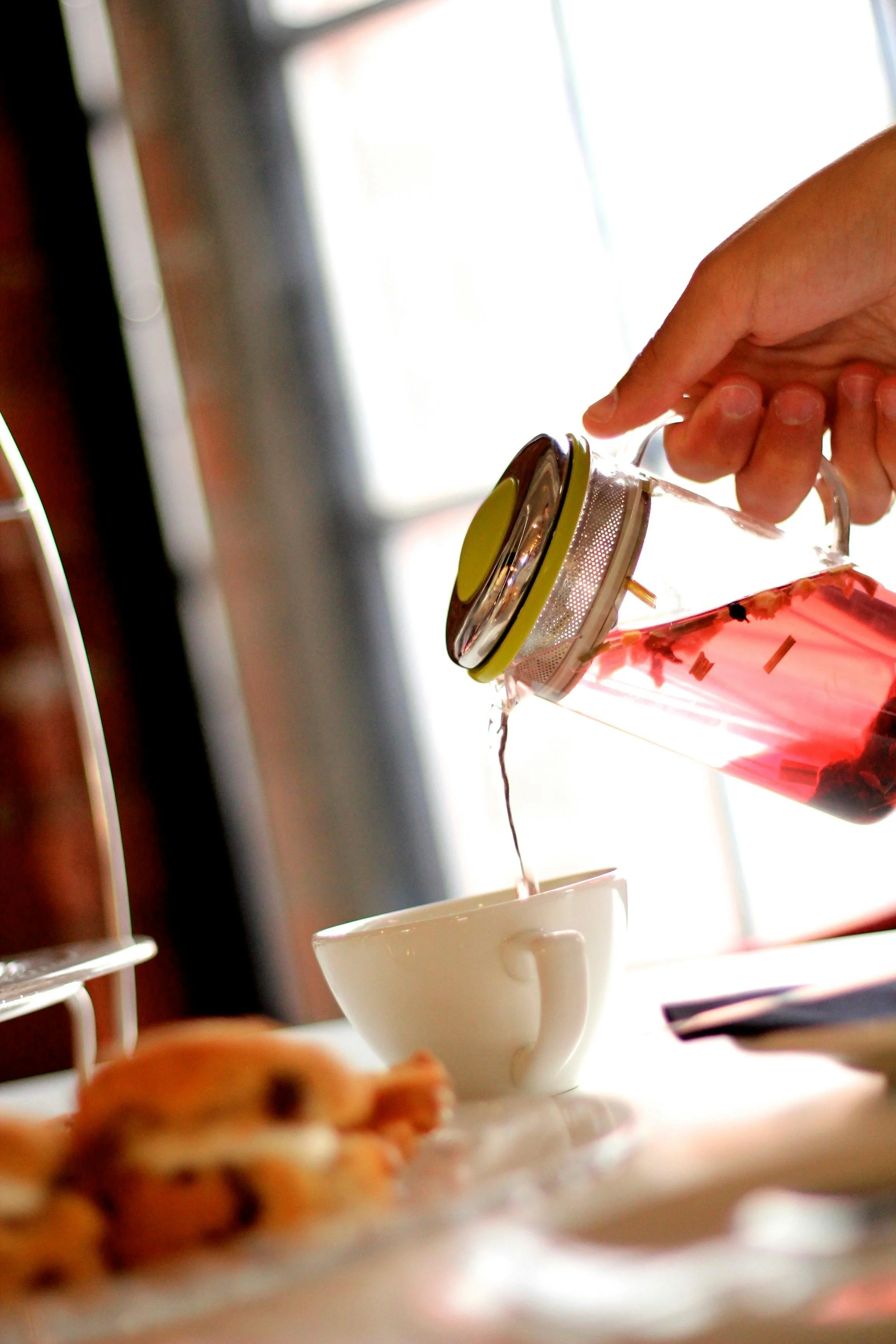
Tea is often a great option because most teas contain almost no carbohydrates.
Good choices include:
Green tea- Very low carb and contains antioxidants.
Black tea- Classic breakfast tea works well with milk and minimal carbs
Peppermint or herbal teas- Naturally caffeine free and carb free.
Chai tea (unsweetened)- Spiced and flavourful, but avoid the chai latte versions, which are usually sweetened.
Choosing the Best Milk

Milk can be the main source of carbs in a coffee drink, so choosing wisely can help prevent glucose spikes.
Dairy Milk
Regular cow’s milk contains lactose (natural sugar).
Approximate carbs per 200ml:
Whole milk: ~10g
Semi skimmed: ~10g
Skimmed: ~10g
Fat content changes, but carbohydrate levels stay similar.
Plant Based Milks
Some plant milks are much better fro glucose stability than others.
Better choices
Unsweetened almond milk- Very low carbohydrate
Unsweetened soy milk- Moderate carbs but good protein content
Higher carb options
Oat milk- Often higher in carbs because oats naturally contain starch.
Sweetened plant milks- These can contain added sugars.
If choosing oat milk, ask for unsweetened versions when possible.
Pro Tip: If choosing oat milk, as for unsweetened versions when possible.
Smart Order Tips at Coffee Chains
When ordering at places like Starbucks, Costa Coffee, Dunkin’ or Gloria Jean’s Coffees, try these tips:
Ask for no syrup, sugar free syrup, or fewer pumps
Choose unsweetened milk alternatives
Avoid whipped cream toppings
Skip caramel or chocolate drizzles
Choose smaller sizes when possible
Even small tweaks can cut the carbohydrate content dramatically.
Iced Drinks: The Sneaky Sugar Trap
Iced drinks can look harmless but often contain the most sugar.
Examples to be careful with:
Iced caramel macchiatos
Frappes
Blended iced coffees
Sweet cream cold brews
These drinks often combine milk, syrups, sauces, and sweet toppings, which can quickly add up.
Instead try:
Cold brew with milk
Iced Americano
Iced latte with sugar free syrup
Best Drinks to Order at Starbucks for More Stable Glucose Levels
Lower carb drink options
Americano- Espresso with hot water and almost zero carbohydrates.
Cold Brew Coffee- Naturally smooth and low carb, add a splash of milk, if you like.
Flat White (no syrup)- Contains milk carbs but avoids added sugars.
Iced Coffee with Milk- Ask for no classic syrup and add your own sweetener, if needed.
Latte with Sugar Free Syrup- Request fewer pumps to keep flavour without excessive sweetness.
Smart ordering Tips
Ask for fewer syrup pumps (many drinks automatically include 3-5).
Skip whipped cream and caramel drizzle.
Choose unsweetened milk alternatives, where available.
Check drink sizes, smaller sizes often mean much fewer carbs.
Good Coffee Choices at Costa Coffee
Glucose friendly choices
Cortado- Espresso with a small amount of milk.
Flat White- Usually contains less milk than a latte.
Americano with Milk
Cappuccino (no chocolate powder)- The chocolate toppings can add extra sugar.
Iced Americano
What to watch for
Some Costa drinks contain hidden sugars, especially:
Frostinos
Flavoured lattes
Hot chocolates
Seasonal speciality drinks
These drinks can easily contain 40g-70g of carbohydrates, which can cause faster glucose rises, if not accounted for.
Quick Carb Guide: Common Coffee Shop Drinks
Knowing roughly how many carbohydrates are in drinks can help teens dose insulin more confidently.
Approximate carbs for common drinks:
Drink & Approx. Carbs
Americano- 0-2g
Espresso- 0g
Black coffee- 0g
Latte (regular milk)- 10-18g
Flat white- 8-15g
Cappuccino- 8-14g
Flavoured latte- 25-45g
Frappe/ Frostino- 40-70g
Carbs mostly come from:
Milk (lactose)
Flavoured syrups
Sauces and toppings
Removing syrups or choosing unsweetened milks can dramatically reduce carb content.
A Simple Coffee Rule
When ordering a drink, a simple rule can help:
Coffee + milk = some carbs
Coffee + syrup + milk = much higher carbs
Keeping drinks simple usually means more predictable glucose levels
Don’t Forget Hydration
Caffeine is mildly dehydrating, and dehydration can make glucose levels harder to manage.
Try to balance coffee or tea with:
water
sugar free drinks
electrolyte drinks when exercising
Balance Is the Goal
Coffee and tea can absolutely be part of a teen’s busy life with T1D. The key is simply understanding what’s in your drink and how your body responds.
Start simple, watch your glucose trends, and adjust your insulin, if needed.
With the right choices, you can enjoy your favourite cafe drinks without the glucose rollercoaster. Caffeine should help you keep up with life, not complicate it.
Final Thought
Being aware of what’s in your drink means you stay in control. With a few smart swaps, teens living with diabetes can grab a coffee with friends, power through study sessions, and focus on their busy lives, not worry about their glucose levels.
