
What T1D Parents Want You to Know Before a Play Date or Sleepover
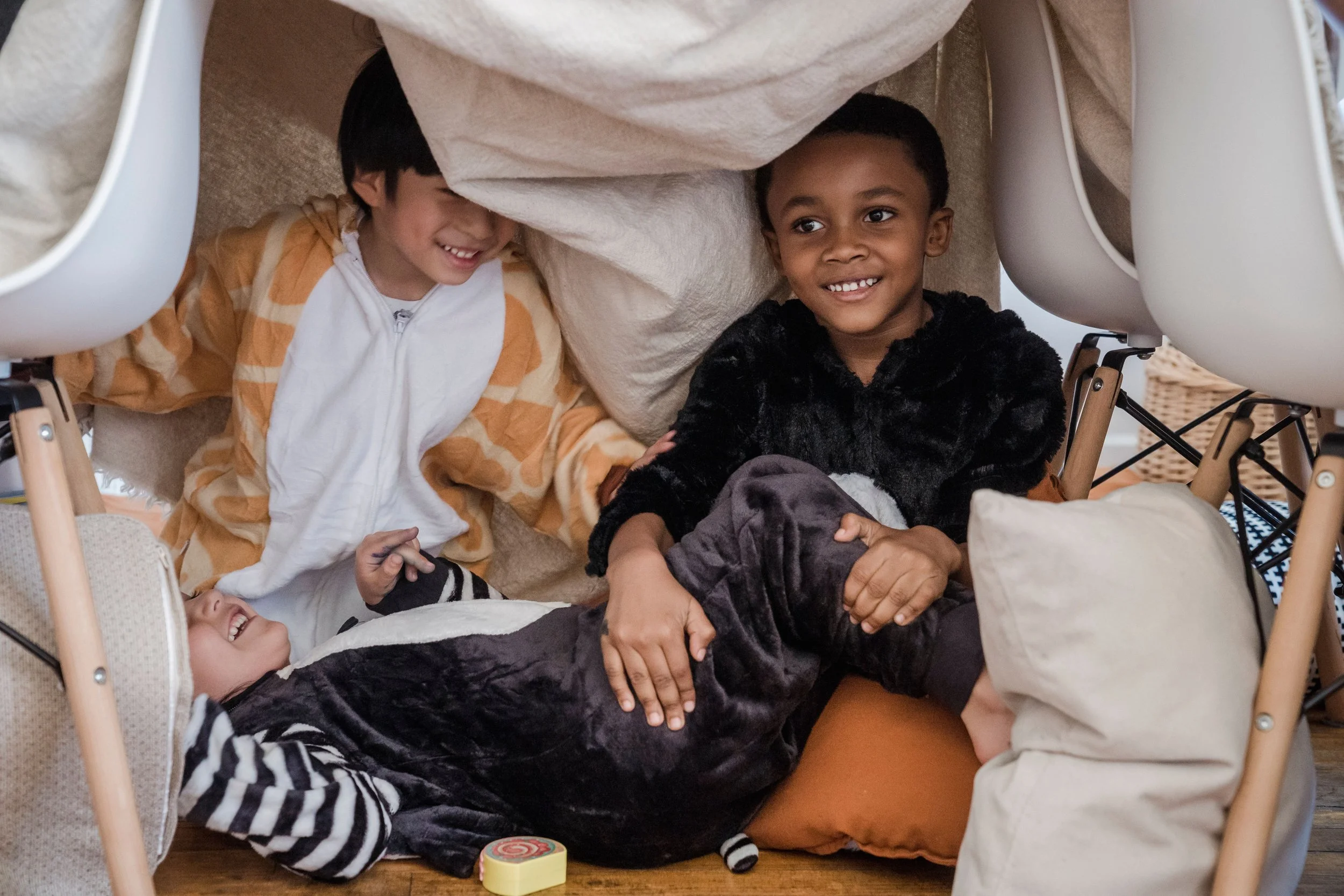
Whether it's a play date, a birthday party, dinner after school or a sleepover, there is something many parents of children with Type 1 Diabetes would love other parents to know.
Thank you for inviting our child.
Thank you for including them and helping them enjoy the same experiences as their friends. We know there can be extra questions and a little extra planning involved, which makes your willingness to include our child all the more appreciated.
For families living with Type 1 Diabetes (T1D), invitations can bring a mixture of excitement and worry. Our children are eager to go and have fun, but we know diabetes comes along too. We may wonder whether the other parent feels comfortable managing something they haven't encountered before, or whether the extra responsibility might make them think twice about inviting our child again.
If you've ever felt unsure about having a child with T1D over, please know this: we don't expect you to become a diabetes expert overnight. We just want to work with you so our children can enjoy being children.
A little communication, some simple preparation and the reassurance that you can contact us if you need help can make all the difference.
We'll Help You Find Your Feet
Most parents of children with T1D are used to explaining diabetes to teachers, grandparents, babysitters and other carers. We know it can seem complicated when you're not dealing with it every day, and we don't expect you to know all the answers.
If you're unsure about something, ask us. If a device beeps and you don't know why, send a message or give us a call. If you're wondering what our child can eat or whether you need to do anything, we'd much rather you checked than worried in silence.
We can explain our child's usual routine, what to look out for and what to do if they need a little help. Depending on our child's age and independence, we may also be able to talk them through things remotely.
As one T1D parent put it:
"We'll talk through everything with the parent remotely as and when needed."
We're not expecting you to take over all the responsibility we've carried for years. We're asking you to be part of the support network that helps our child join in.
A Little Knowledge About Hypos Goes a Long Way
One of the most useful things to understand is a hypo (shortened version of hypoglycemia), which is the term for low blood glucose. Hypos are a familiar part of life for many people with T1D, and children and their parents usually have a plan for managing them.
If our child's glucose goes low, it needs prompt attention. We'll explain what signs to look out for, which treatment our child uses and what we'd like you to do. This might involve giving glucose tablets, glucose gel, juice or another fast acting treatment we've provided.
The simplest thing to remember is to follow the instructions we've given you and contact us if you're unsure. There's no need to memorise every detail of diabetes management before our child comes over.
We'll explain what our child needs, where to find their hypo treatments and what to do if their glucose goes low. With a little preparation and a quick conversation beforehand, managing the diabetes side of things can feel much more straightforward than you might expect.
Food Doesn't Need to Be Complicated
You might have heard that children with T1D need to count carbohydrates. That's because carbohydrates in food affect blood glucose, and insulin doses are often calculated with this in mind.
One parent summed up a common misunderstanding perfectly:
"There are carbs in EVERYTHING. Most people seem to only relate carbs to rice, potatoes, bread."
Carbohydrates are found in many everyday foods, including bread, pasta, cereal, fruit, milk, yoghurt, crisps, biscuits, sweets, juice and birthday cake. But please don't feel you suddenly need to become an expert at counting them.
If you're serving a meal or offering a snack, a quick message telling us what's on the menu is often enough for us to help. A photo of a food packet or its nutrition information can be useful too.
And please don't feel that you need to prepare a separate, special meal. Children with T1D can enjoy a wide variety of foods, including treats and party food. The aim is to help them manage their diabetes while still enjoying the food and social experiences that are part of childhood.
Birthday cake is still birthday cake. A sleepover is still a sleepover. Diabetes doesn't need to take the fun out of either.

Please Don't Be Offended by the Supplies We Send
If our child arrives with a diabetes bag, glucose treatments, snacks and drinks, please don't worry that we're making a comment about what you have at home.
We're not saying we don't trust you. We're simply parents who have learned that being prepared makes life easier.
We may send specific glucose treatments because we know our child will recognise them and take them when needed. We might include a familiar snack or drink because we know what our child likes and what works well for them.
Having these things on hand helps us feel reassured and helps our child feel comfortable, too. It also means you don't need to guess what to buy or whether something is suitable.
Think of it as one less thing for everyone to worry about.
You provide the fun; we'll help with the diabetes preparation.
The Phone Is More Than a Phone
Many children with T1D use a continuous glucose monitor (CGM), which measures glucose levels throughout the day and night. Depending on the device and the family's setup, glucose readings and alerts may also be shared with a parent's phone.
This means we can sometimes spot a change in our child's glucose levels even when we're not in the same room. It can be particularly reassuring when our child is staying overnight somewhere else.
As one parent shared:
"Just if they could double check that my daughter keeps her ring tone on loud before she sleeps, so if I need to call her because of a hypo/hyper."
Other parents highlighted the importance of keeping both the child's phone or receiver and the host's phone nearby, switched on and audible. Some families also need devices to remain within the recommended connection range for their particular equipment, so it's worth checking any arrangements with the child's parent beforehand.
Before a sleepover, we might ask you to help make sure our child's phone or receiver is nearby, charged and able to alert them. We may also ask that your phone is available and that you can hear us if we need to get in touch.
These little arrangements help us stay connected without interrupting the fun. Often, a quick check before bedtime is all that's needed.
Diabetes devices work in different ways, so we'll explain anything specific to our child's equipment. You don't need to understand all the technology; just help us make sure the usual arrangements are in place.

Every Child and Every Family Is Different
There isn't one universal set of rules for children with T1D. Some younger children need more hands on support, while many teenagers manage much of their own care. Some parents prefer to check in regularly, while others are happy with an agreed plan and a message if anything comes up.
Food, activity, excitement and changes to routine can all affect glucose levels, so what works for one child may not work for another.
That's why a quick conversation before the visit is so helpful. We'll tell you what matters for our child, what they can manage independently and when we'd like you to get in touch.
Please don't be afraid to ask questions. We'd rather have a conversation beforehand than leave you feeling uncertain. And if something changes during the visit, we're only a phone call away.
Your Invitation Means More Than You Might Realise
One parent shared a concern that many T1D families recognise:
"Lots of T1D kids don't get invited on play dates as much due to the worry and weight of responsibility."
It's difficult to think that a child might miss out on friendships, parties or sleepovers simply because the adults around them feel unsure about diabetes.
Our children already navigate extra planning, glucose checks, devices and decisions that most of their friends never have to think about. They shouldn't also have to wonder whether their diabetes makes them too complicated to invite.
Another parent described the gratitude many families feel:
"We are very grateful for their support and inclusivity. It means a lot more than they realise."
You don't need to know everything to make a difference. Being willing to listen, learn a few things about our child's routine and keep the conversation open is already a wonderful start.
And if you're nervous, it's absolutely fine to say so. We'd much rather talk through your concerns together than have you feel you need to decline an invitation because you're unsure.

A Final Message From T1D Parents
Before the glucose readings, carbohydrate counting and diabetes technology, our children are simply children.
They want to play with their friends, watch films, eat pizza, enjoy birthday cake, stay up late and make memories. They want to be included without diabetes becoming the defining feature of every social occasion.
We know there can be a little more to think about when a child has T1D. We're not asking you to take on years of experience in one afternoon, and we're certainly not expecting perfection.
We'll help you prepare. We'll answer your questions. We'll provide the supplies our child needs and explain their routine. Together, we can make the experience feel much more straightforward than you might imagine.
So please keep inviting them.
Because belonging, friendship and inclusion are every bit as important to our children as good diabetes management.
A little understanding can open the door to a world of ordinary childhood experiences that mean everything to our children and their families.
💙
