
Managing T1D in Public with Toddlers: Practical Tips for Real Life Moments

Taking a toddler anywhere in public is an adventure. Taking a toddler with Type 1 Diabetes (T1D) into the world adds a whole extra layer- the kit bag, the timing, the unpredictability, the stares, the comments, the “Why are you doing that?” from strangers while your toddler is mid meltdown.
It’s not easy to manage diabetes in the middle of everyday chaos, and yet you’re showing the kind of steady, adaptable care that keeps your child safe, even when the moment is stressful or fast moving.
Before diving into the practical strategies, it helps to acknowledge something important: public moments with T1D aren’t just about numbers or treatments. They’re about emotions, expectations, and the pressure of caring for a tiny human whose needs can change in seconds. Understanding that context makes everything that follows feel more manageable and less personal.
The Emotional Reality: Why Public Moments Feel So Hard
Parents often describe public T1D moments as:
Overexposed- everyone can see you injecting or treating
Judged- especially when people misunderstand what you’re doing
Rushed- because toddlers don’t wait for diabetes
On alert- scanning for hypos, exits, snacks, tantrums
Isolated- because most people don’t “get it”
These feelings are normal. They don’t mean you’re doing anything wrong. They mean you’re doing something incredibly skilled under pressure.
Preparing to Leave the House Without Feeling Like You’re Moving Home
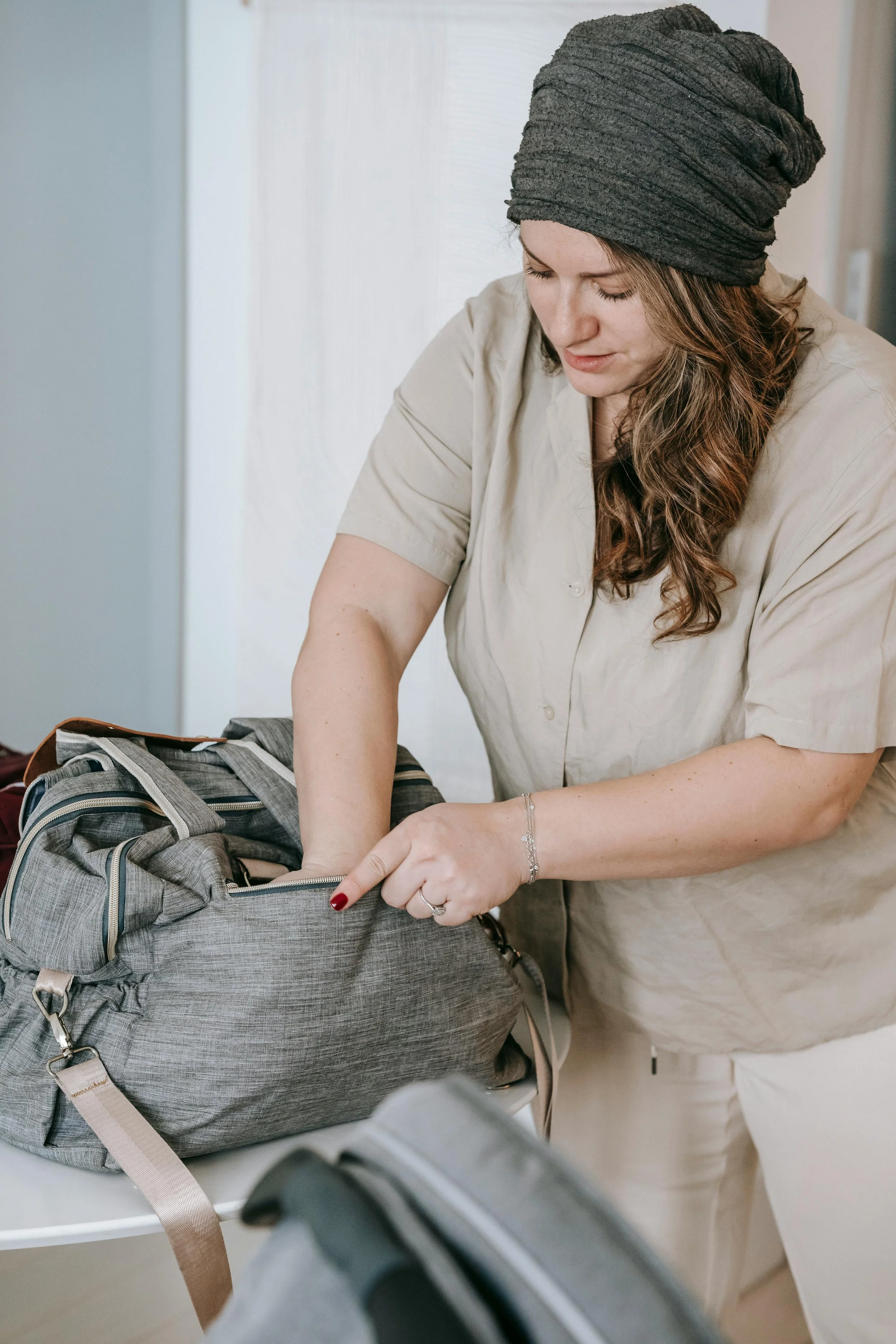
A realistic checklist for public outings with a toddler:
Hypo kit- fast carbs, slow carbs, and backups
Spare sensor or tape- because toddlers + soft play = peeling edges
Insulin + pen/ pump supplies
Hand wipes
Snacks they’ll actually eat
A comfort item
Water bottle
The goal isn’t perfection, it’s prepared enough.
Handling Hypos in Public Without Panic
Hypos happen in the most inconvenient places: supermarket aisles, swings, lines for the toilet, buses, coffee shops.
Here’s a calm, practical approach:
Ground yourself
A single breath in for 4, out for 6. Your toddler needs your calm more than your speed.
Treat first, explain later
If someone stares or comments, ignore it until your child is afe.
Use a simple script if needed
“They have Type 1 Diabetes, we’re just fixing low blood sugar.”
“They’re okay, this is normal for us.”
Reassure your toddler
Toddlers pick up your energy. A soft “You’re safe, I’ve got you” goes a long way.
Helping Your Toddler Cope When They Just Want to Run Off and Play
One of the hardest parts of treating a hypo in public is this: your toddler doesn’t understand why they suddenly have to stop.
To them, if feels like you’re interrupting the best moment of their day. To you, it feels like a race against time while trying to soothe a confused, frustrated little human.
Why it’s hard for toddlers
Toddlers live entirely in the moment. They don’t understand:
why they have to sit still
why they can’t go back on the slide
why they must drink juice right now
why their body suddenly feels wobbly or strange
They’re not being “difficult”. They’re overwhelmed.
Why it’s hard for you
You’re juggling:
safety
speed
public attention
your own adrenaline
and a toddler who wants the opposite of what you need
It’s a lot. And it’s okay to acknowledge that.
Turning Treatment Time Into Connection Time
One of the most effective ways to help your toddler stay still long enough to treat a hypo is to make those minutes fun, familiar, and engaging.
Try:
Playing “I Spy”- perfect for long lines, parks, cafes
Singing their favourite song or nursery rhyme- it regulates both your nervous systems
Asking what they want for their next meal- toddlers love imagining food
Talking about something fun from earlier- “Tell me again about the big slide!”
Letting them choose the hypo treatment- even tiny choices give them control
Offering a comfort item- a favourite toy can make the moment feel safer
These aren’t just distractions, they’re emotional anchors. They help your toddler feel safe, connected, and understood while their body recovers.
You’re not “holding them back from playing.” You’re keeping them safe so they can go back to playing.

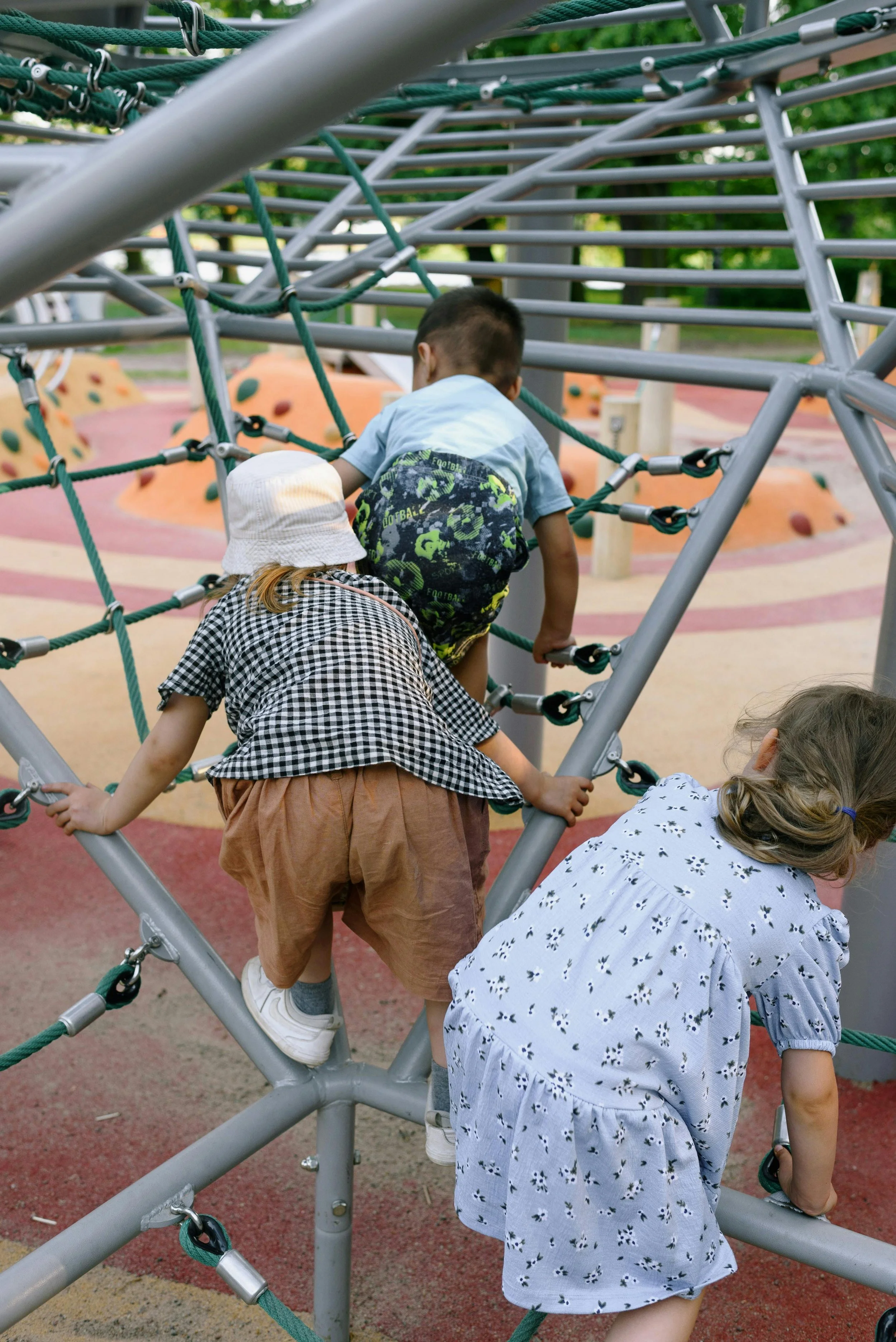
Soft Play, Parks & Playgroups: The Chaos Zones
These places are joyful but unpredictable, and blood sugars often follow suit.
Soft Play
Check the CGM before they go in, not every 5 minutes
Keep hypo snacks in your pocket
Expect adrenaline spikes
Treat lows at the side, not outside the building
Playground
Swings and slides can drop blood sugar quickly
Clip a small pouch to your belt
If another parent asks, “Are they okay? you can say: “Yes, they have Type 1 Diabetes. We’re just keeping them safe.”
Playgroup
Tell staff only what they need to know
You don’t have to educate every parent
A busy toddler can be a great distraction from any personal questions from other caregivers

Managing Comments, Curiosity & Misconceptions
Common comments and parent friendly responses:
“Is that because of sugar?” → “No, it’s autoimmune.”
“Will they grow out of it?” → No, but they’ll grow up confident and capable.”
“I couldn’t do what you do.” → “You’d be surprised what you can do for your child.”
“Poor thing.” → “They’re actually doing brilliantly.”
Reframing Public Moments as Strength, Not Stress
Every time you manage T1D in public, you’re teaching your toddler:
That their body is safe
That treatment isn’t scary
That diabetes care can happen anywhere
That they don’t need to hide their diabetes care
That they are strong, capable and loved
You’re also showing the world what modern T1D parenting looks like: calm, skilled, adaptable, and brave.
One Last Thing: Preparation Makes All the Difference
As every parent of a T1D baby or toddler learns faster than they ever expected, the biggest key to smoother outings is simple: being prepared. Having the right supplies- hypo treatments, snacks, spare sensors, insulin, wipes, tape, a water bottle, and the comfort items that help your toddler feel safe- turns unpredictable moments into manageable ones.
You can’t control every variable when you’re out in the world with a toddler, but you can set yourself up so that whatever happens, you’re ready. And that readiness is what gives you confidence, keeps your child safe, and makes everyday adventures possible.
Don’t forget that every time you manage T1D in public, you’re proving something powerful:
You’ve got this.
You’re toddler’s got this.
And you’re both stronger than you realise.
