
Your Friend Has Type 1 Diabetes: What Every Teen Should Know

Friendship is about being yourself, feeling included and knowing someone has your back. If you have a friend with Type 1 diabetes (T1D), you might occasionally wonder what diabetes means for them, what to do if they feel unwell or whether there's anything you should know.
The good news is that you don't need to become a diabetes expert. A little understanding, some basic knowledge and a willingness to include them can make a real difference.
Above all, your friend has Type 1 diabetes, but diabetes isn't their whole identity. They're still the person you laugh with, share interests with and make plans with. They want to be treated like your friend, not defined by their diagnosis.
First, What Actually Is Type 1 Diabetes?
Type 1 diabetes is an autoimmune condition. The body's immune system mistakenly attacks the insulin producing cells in the pancreas, leaving the body with little or no insulin.
Insulin is a hormone that allows glucose (sugar) to move from the bloodstream into the body's cells, where it is used for energy. Without enough insulin, glucose builds up in the blood. People with T1D need insulin every day to stay alive.
Managing T1D involves monitoring glucose levels, taking insulin and making decisions throughout the day. Much of this happens in the background, so you might not always realise how much your friend is dealing with.
It's important to understand that Type 1 Diabetes isn't caused by eating too much sugar, an unhealthy diet or lifestyle choices. Nobody causes it themselves, and you cannot catch it from someone else.
Type 1 and Type 2 Diabetes: What's the Difference?
You may have heard people use the word diabetes as though all types are the same. They're not.
Type 1 diabetes is an autoimmune condition in which the immune system destroys the cells in the pancreas that produce insulin. People with T1D need insulin every day to survive. It isn't caused by diet or lifestyle and cannot currently be prevented.
Type 2 diabetes develops when the body's cells become less responsive to insulin, known as insulin resistance. The pancreas initially tries to compensate by producing more insulin, but over time it may not produce enough to meet the body's needs. Blood glucose levels can then rise.
Type 2 diabetes can be managed through different combinations of lifestyle changes, medication and, for some people, insulin. It is influenced by several factors, including genetics, family history, age and lifestyle.
The key difference is that Type 1 involves the immune system destroying the cells that make insulin, while Type 2 involves insulin resistance and, over time, insufficient insulin production.
Both conditions deserve understanding and respect. Neither is contagious.
The Tech You'll Probably See
Many teenagers with T1D use technology to help manage their glucose levels and insulin. You might already recognise some of it.
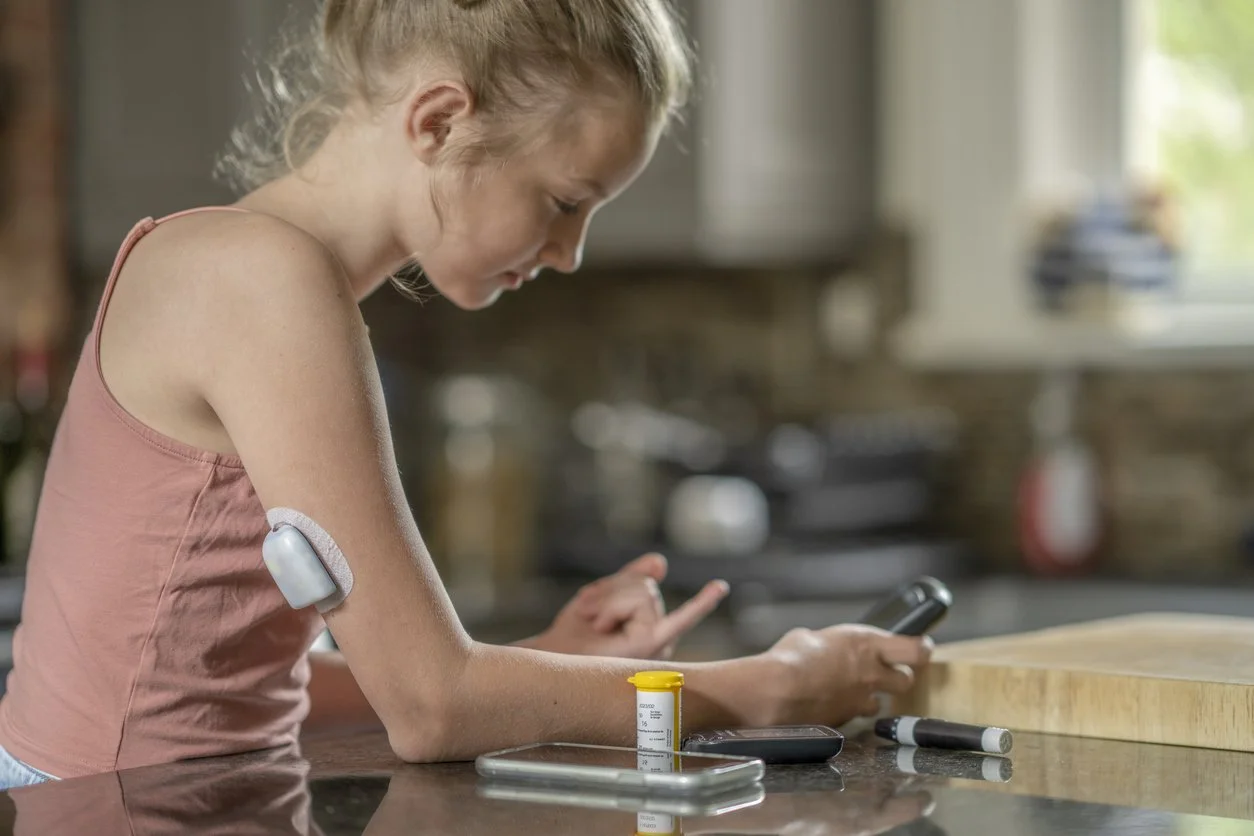
Continuous glucose monitor (CGM): A small sensor worn on the body that measures glucose levels throughout the day and night. It shows whether levels are rising, falling or staying relatively steady.
Insulin pump: A small device that delivers insulin through a tube or a patch attached to the body. Some people use pumps instead of taking insulin injections throughout the day.
Phone or receiver: Many devices send glucose readings and alerts to a phone or separate receiver. For some teenagers, their phone isn't just for messages and social media. It can be an essential part of managing their diabetes.
Not everyone with Type 1 diabetes uses the same technology. Some people use insulin pumps and continuous glucose monitors, while others manage their diabetes with insulin injections and finger prick blood glucose tests.
You might hear a beep or vibration during class, at lunch, while playing sport or when you're hanging out. Your friend may need to check their readings, eat something or take another step to manage their glucose levels.
The best response is usually simple: give them a moment to deal with it. There's no need to stare, make a joke about the noise or draw everyone's attention to it. If they want to explain what's happening, they can.
Not every alert is an emergency. Your friend may know exactly what it means and what to do next. The technology helps them make decisions about their diabetes so they can get on with everyday life.
The Part You Don't Always See: The Mental Load of T1D
Living with Type 1 diabetes means thinking about things most teenagers don't have to consider every day.
Your friend may need to think about carbohydrates before eating, how exercise could affect their glucose levels, whether they have enough insulin and supplies, and what to do when their readings are unexpectedly high or low. They may have to make these decisions while sitting an exam, playing sport, spending time with friends or simply trying to enjoy a normal day.
Sometimes, diabetes can interrupt things at the most inconvenient moments. Your friend might need to pause a game, leave a lesson briefly, delay eating or spend time sorting out a device when they'd rather be doing anything else.
That can be frustrating and exhausting. They might feel fed up with diabetes, even if they're usually confident managing it. They might also not want to talk about it every time something happens.
You don't need to understand every detail to recognise that this can be a lot to deal with.
Being a good friend means understanding when they need support, without making diabetes the centre of everything.
Avoid constantly asking about their readings, monitoring what they eat or reminding them to manage their condition. Unless they've asked for your help, it's better to let them take the lead.
Hypos: What Happens When Blood Sugar Drops Too Low?
A hypo, short for hypoglycaemia, happens when blood glucose drops too low. It can occur for different reasons, including the effects of insulin and physical activity.
Your friend might become shaky, sweaty, pale, tired, hungry or irritable, or find it difficult to concentrate. Some people become confused. The symptoms can vary, and your friend may recognise them before anyone else notices.
A hypo needs prompt treatment. Your friend may need fast-acting carbohydrates, such as glucose tablets, fruit juice or another suitable sugary drink.
When someone is treating a hypo, sugar isn't a treat. It's a treatment.
If your friend needs to stop playing sport, eat glucose tablets during a lesson or have juice when everyone else is carrying on, they're managing a medical need. They aren't being dramatic or getting special treatment.
Give them time to deal with it. If they seem particularly unwell, confused or unable to manage the situation safely, stay with them and get a trusted adult to help.

High Blood Glucose Levels
Sometimes diabetes can cause blood glucose levels to become too high. Your friend may feel thirsty, tired, irritable or generally unwell and may need time to manage their diabetes.
Just as with a hypo, trust them if they say they need to deal with their glucose levels. They know their body and what steps they need to take.
If Your Friend Needs a Little Help
Most of the time, your friend will know how to manage their diabetes and what they need to do. But, like anyone, there may be moments when they feel unwell or need some extra support.
If your friend says they aren't feeling right, listen to them. They may need a moment to check their glucose levels, have something to eat or drink, or follow their usual diabetes care routine. Give them the time and space to do this.
If they're struggling, seem confused or unusually drowsy, or aren't able to look after themselves safely, get a trusted adult or teacher to help straight away. If someone becomes unconscious or has a seizure, call 999 and follow the emergency operator's instructions. Never give food or drink to someone who is unconscious or unable to swallow safely.
You don't need to know how to manage diabetes yourself. Your friend will usually know what works for them, and the most helpful thing you can do is listen, be supportive and recognise when it's time to get help.
You don't have to have all the answers. Sometimes, being a good friend simply means knowing when to ask an adult for support.
Can Your Friend Eat What You Eat?
Yes. People with Type 1 diabetes can enjoy a wide variety of foods, including pizza, chocolate, chips, ice cream and birthday cake.
They may need to consider the carbohydrates in food and take insulin accordingly, but having T1D doesn't mean they must avoid treats or eat completely different meals.
What isn't helpful is commenting on their food, questioning whether they should be eating something or making jokes about sugar causing their diabetes. It doesn't.
If you're planning a meal, a party or a trip, you don't need to make a big deal of the food. If you're unsure whether there's anything your friend needs, ask them. They can tell you what works for them.
Food is a normal part of social life. Your friend should be able to enjoy eating with you without feeling watched or judged.

What Should You Say and What Should You Avoid?
It's normal to be curious, especially if you don't know much about T1D. Asking questions respectfully can help you understand your friend's experience.
You might ask:
"What does your sensor do?"
"What happens when you have a hypo?"
"Is there anything useful for me to know when we're out together?"
"Do you mind me asking questions about your diabetes?"
Your friend might be happy to explain things, or they might prefer not to discuss diabetes at that moment. Respect either response. They don't owe anyone a detailed explanation of their health.
A few things are worth keeping in mind:
Don't blame food. Type 1 diabetes isn't caused by eating too much sugar.
Don't make a spectacle of their technology. A beep or alert doesn't need an audience.
Don't comment on their readings or food choices. They don't need someone monitoring them.
Don't assume they can't do something. Ask rather than deciding for them.
Respect their privacy. Don't share their diagnosis or health information without permission.
Don't make every conversation about diabetes. They have other interests, worries, ambitions and stories, just like you.
And if you get something wrong, listen, apologise if necessary and learn from it. Being a good friend isn't about knowing everything. It's about treating someone with respect.
Going Out, Playing Sport and Making Plans
Teenage life is full of things you don't want to miss: parties, sleepovers, sports, concerts, holidays, school trips and spontaneous plans with friends.
Having T1D doesn't mean your friend should be excluded from these experiences. Sometimes they may need to plan ahead, carry supplies, check their glucose levels or make adjustments along the way. Occasionally, plans might need to change.
The most helpful thing you can do is include them from the start.
Invite them to the party. Ask them to join the team. Include them in the group chat and the plans for the weekend. If they're managing their diabetes during an activity, give them the time and space they need.
You don't have to organise everything around diabetes, and you don't need to take responsibility for their care. Just avoid making assumptions about what they can or can't do.
If you're going somewhere unfamiliar or planning something active, you can ask whether there's anything they need you to know. Let them decide how much they want to share.
Your friend doesn't need you to manage their diabetes. They need you to understand it enough that it never becomes a reason they're excluded.

The Most Important Thing? Keep Being Their Friend.
It can be easy to focus on the technology, the hypos and the extra planning involved in Type 1 diabetes. But those things are only one part of your friend's life.
They're still the person who makes you laugh, shares your interests, worries about exams, gets excited about a night out or sends you ridiculous videos at midnight. They may have days when diabetes is frustrating, but they don't want every day to be defined by it.
You can make a difference by being understanding when they need a moment, respecting their privacy, taking them seriously when they feel unwell and including them in the things that matter.
You don't need all the answers. You don't need to become their diabetes expert. You just need to be a friend who listens, learns and makes space for them to be themselves.
Because real friendship isn't about pretending everyone is the same.
It's about understanding each other, respecting differences and making sure nobody is left out because of something they can't control.
Your friend doesn't need a diabetes expert.
They just need a friend.
