
Picky Eating and T1D: How to Nourish Toddlers While Keeping Blood Sugar Stable
Feeding a toddler can already feel like a daily negotiation. When your child has T1D, those mealtime battles can feel even more stressful. You’re not just thinking about calories or vegetables, you’re balancing carbohydrates, insulin, growth, and stable glucose levels.
If your toddler refuses food, eats only beige foods, or suddenly decides their favourite meal is unacceptable, you are not alone. Picky eating is extremely common in toddlers, including those with T1D. The goal isn’t perfection, it’s finding practical ways to support nutrition while keeping glucose levels as steady as possible.
The good news is that with patience, flexibility, and a few strategic approaches, you can help your toddler get the nutrients they need for healthy growth.
Why Toddlers with T1D Can Be Particularly Tricky Eaters
Toddlers naturally go through phases of independence and food refusal. But when T1D is involved, several additional factors can influence eating habits:
Blood glucose fluctuations can affect appetite
Hypos (low blood glucose) may require quick carbs that reduce appetite for meals
High glucose levels can cause fatigue or nausea
Food fatigue from repeated “safe” foods used for carb counting
Developmental independence (“I do it myself!”)
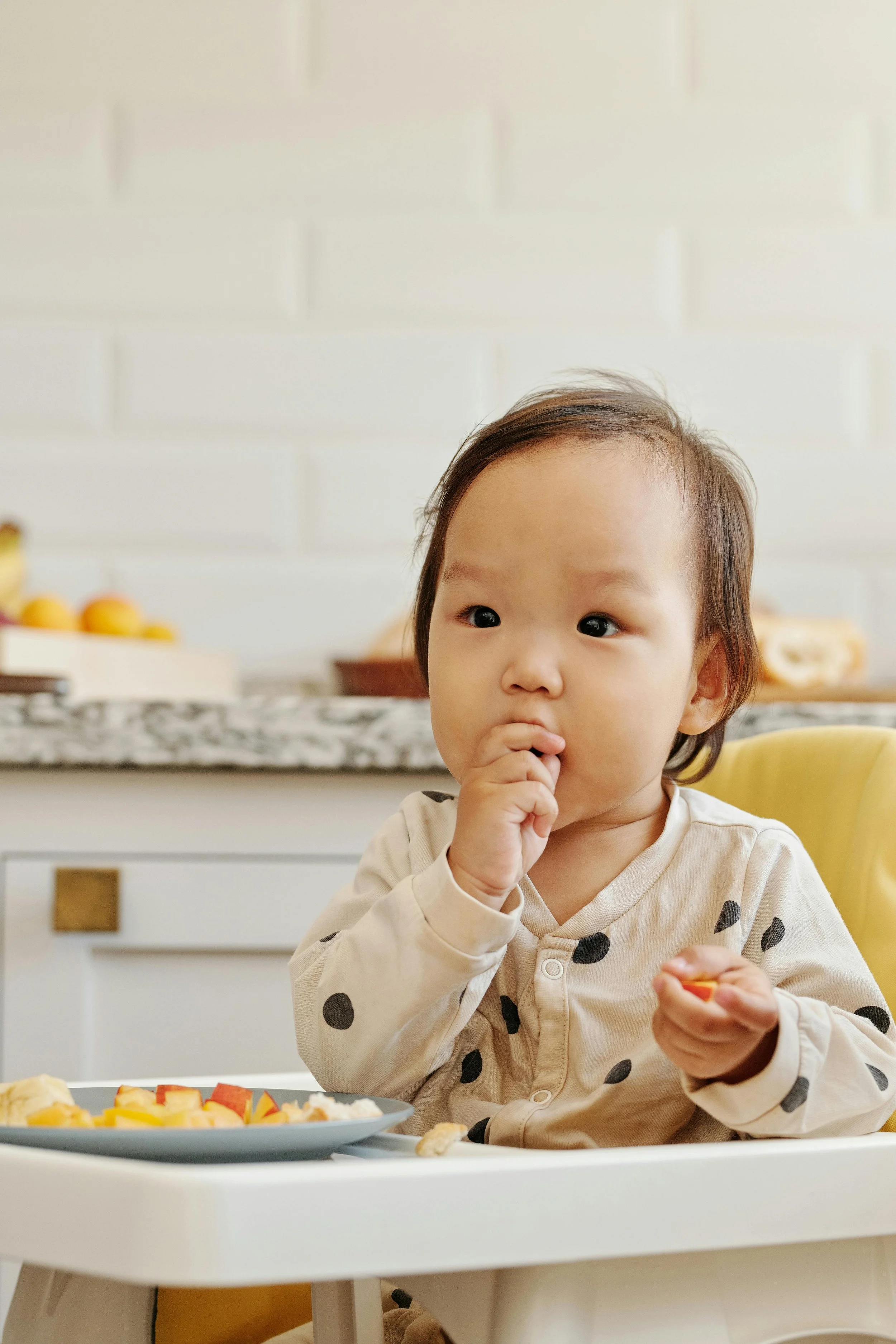
Understanding that picky eating is often developmental rather than behavioural can help reduce the pressure you may feel around meals.
Focus on Nutrient Dense “Small Wins”
If your toddler only eats small amounts, focus on nutrient dense foods that deliver more nutrition in smaller portions.
Examples include:
Healthy fats (support brain development and slow glucose spikes)
Avocado
Full-fat Greek yohurt
Nut butters (if safe and allergy free)
Cheese
Protein(helps stabilise glucose levels)
Eggs
Chicken pieces
Cottage cheese
Lentils or hummus
Slow-release carbohydrates (more gradual glucose rise)
Oats
Whole grain toast
Sweet potato
Beans
Tip: Even a few bites of these foods can make a meaningful difference in your child’s nutrition
Pair Carbohydrates with Protein or Fat
For toddlers with T1D, pairing carbohydrates with protein or fat can help slow digestion and reduce rapid glucose spikes.
Rather than offering carbohydrates alone, try combining them with foods that contain protein or healthy fats. This can help create more gradual glucose rises and keep your toddler feeling fuller for longer.
The good news is that these pairings don’t have to be conventional. Toddlers often enjoy unusual combinations, so feel free to experiment with what your child likes.
Some creative examples include:
Strawberries dipped in peanut butter (if your toddler likes both)
Banana slices with cream cheese
Apple slices with cheddar cheese cubes
Wholegrain crackers with hummus
Oatcakes with mashed avocado
Toast fingers with almond butter
Greek yoghurt with blueberries
Mini pancakes with a thin layer of nut butter
Pear slices with cottage cheese
Banana with full-fat Greek yoghurt
Apple slices dipped into yoghurt
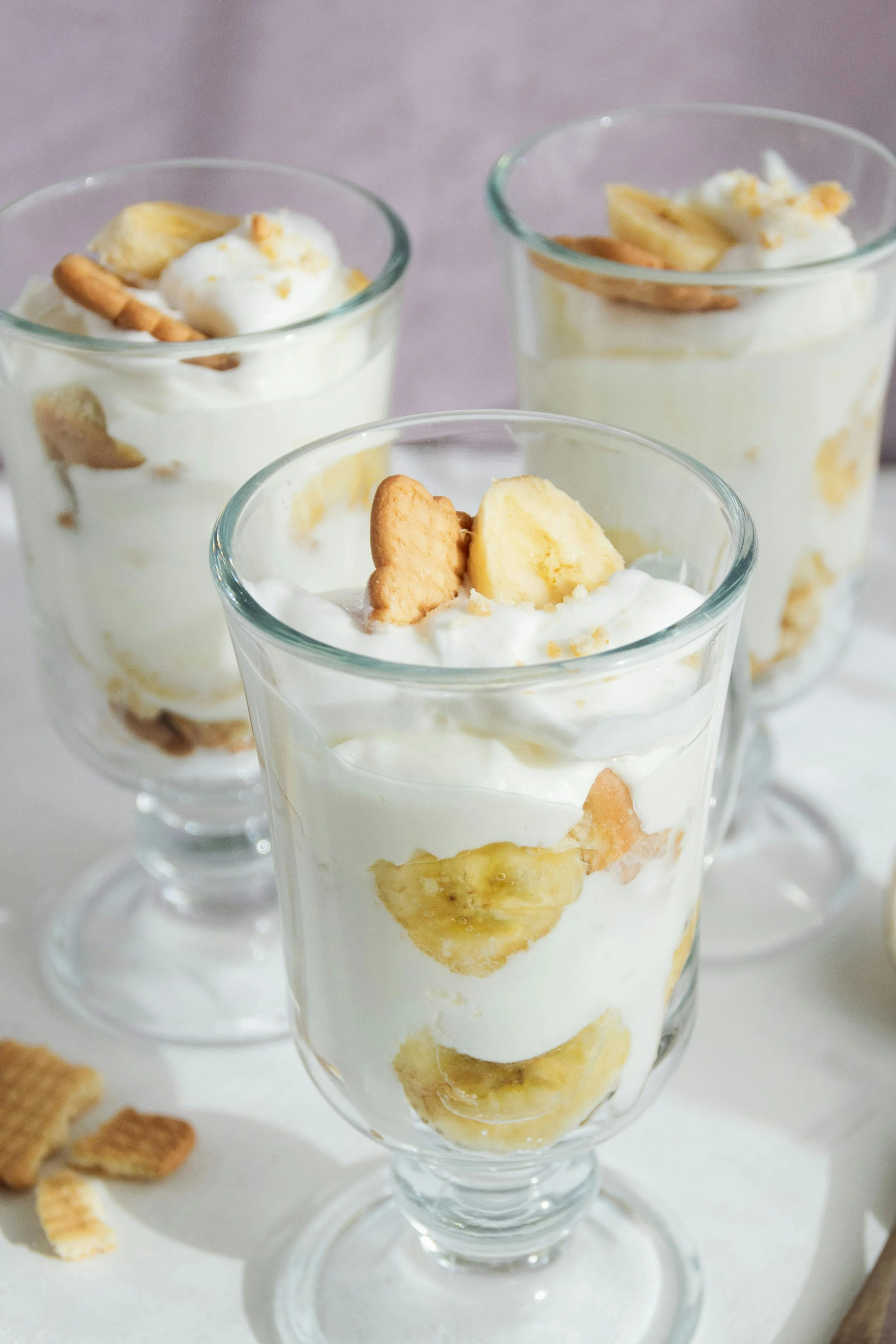
Tip: Even small pairings like these can help balance carbohydrates with protein or fat, which may support more stable glucose levels throughout the day.
Create a “Safe Foods” List
Many picky toddlers rely on a small number of foods they will consistently eat. Instead of fighting this, build a safe food list.
Examples might include:
Milk
Yoghurt
Cheese
Oatmeal
Toast
Pasta
Fruit
Once you know these foods are reliable, you can:
Dose insulin with greater confidence
Add small new foods alongside them
Reduce stress at mealtimes
Tip: Consistency can be incredibly helpful when managing T1D.
Offer New Foods Without Pressure
Research shows that toddlers may need 10-15 exposures to a food before accepting it.
Helpful strategies include:
Serve a tiny portion alongside familiar foods
Avoid pressuring your child to eat it
Let them touch, smell, or lick the food first
Model eating the food yourself

Tip: Even if they don’t eat it today, exposure still counts.
Use Smoothies as a Nutritional Backup
Smoothies can be incredibly helpful for picky toddlers with T1D because they can combine multiple nutrients in one drink.
Example balanced smoothie:
Milk
Greek yoghurt
Peanut butter
Frozen berries
Spinach (mild taste when blended)
This provides:
Protein
Healthy fats
Vitamins
Fibre
Measured carbohydrates for easier insulin dosing
Keep Meals Predictable
Toddlers thrive on routine. Regular meal and snack times can help both appetite and glucose management.
A helpful structure might be:
Breakfast
Morning Snack
Lunch
Afternoon Snack
Dinner
Bedtime snack (if needed)
This rhythm helps prevent both unexpected hunger and unpredictable glucose swings.
Avoid Turning Meals into a Battle
When food becomes a struggle, toddlers often resist even more. For children with T1D, keeping mealtimes calm and positive can make a big difference to both eating habits and glucose management.
One way to reduce pressure around food is to make mealtimes playful and low stress rather than focused on finishing a plate.
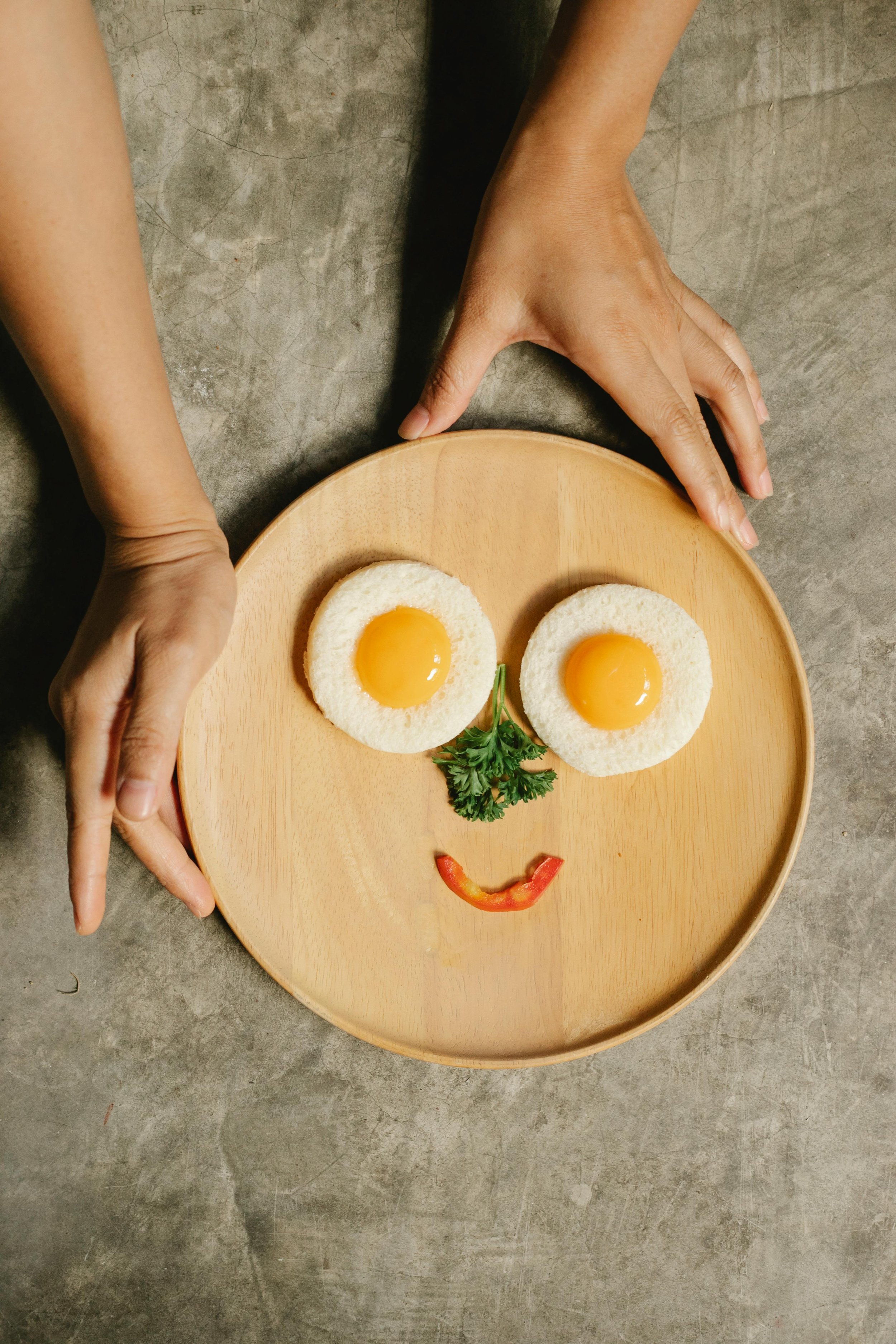
1. Turn food into faces or characters
Toddlers love playful plates. Try arranging foods into faces or animals:
Banana slices or blueberries for eyes
Cucumber slices for ears
A strawberry or cherry tomato smile
Scrambled eggs or oatmeal as the “face”
Sometimes a toddler who refuses food will suddenly want to eat the “eyes” or “nose” of their creation.
2. Offer dips
Many toddlers love dipping foods. This can make even familiar foods feel new and exciting.
Some options include:
Hummus
Greek yoghurt dips
Guacamole
Nut butter
A low sugar ketchup option for toddlers who enjoy dipping foods like chicken, potatoes, or vegetables
The dipping process itself often encourages toddlers to interact with food more.
3. Create mini tasting plates
Instead of one large meal, offer a small “toddler platter” with tiny portions:
Cheese cubes
Fruit slices
Crackers
Chicken pieces
Avocado slices
Toddlers sometimes prefer grazing or choosing what to try first.
4. Let toddlers make small choices
Allowing simple choices can help toddlers feel more involved:
“Do you want strawberries or blueberries?”
“Should we cut your toast into triangles or squares?”
These small decisions can make toddlers feel more engaged and curious about their food.
5. Turn Eating into a counting game
Toddlers love games, and turning food into a simple counting activity can make them more interested in eating. It also helps them feel involved rather than pressured.
You might try things like:
“Let’s count while we eat! Eat two peas…ready? One, two!”
“Can you eat three blueberries?”
“Let’s see if you can eat five tiny bites of chicken.”
“Let’s count the carrot sticks together.”
This approach works well because toddlers often enjoy the game more than the food itself. Before they realise it, they’ve eaten a few bites.
Tip: Keeping mealtimes relaxed and playful helps toddlers build a healthier relationship with food, which is especially important when managing T1D.
Watch for Hidden Nutrition Gaps
Because picky eaters may avoid entire food groups, some nutrients can be harder to obtain.
Important nutrients for toddlers include:
Iron- meat, beans, fortified cereals
Calcium- dairy or fortified alternatives
Vitamin D- sunlight and fortified foods
Omega 3 fats- oily fish, chia seeds, walnuts
Fibre- fruit, vegetables, whole grains
If you are concerned about nutrition, speak with your diabetes team or paediatric dietitian before introducing supplements.
Quick Snack Ideas for Picky Toddlers (Under 10g Carbs)
Cheese cubes with a few apple slices
Greek yoghurt with a few raspberries
Peanut butter on cucumber slices
Half a small banana with almond butter
Cottage cheese with a few blueberries
A small oatcake with cream cheee
Avocado slices with shredded chicken
Boiled egg with a few strawberries
Full-fat yoghurt with crushed walnuts
Mini smoothie made with milk, berries, and yoghurt.
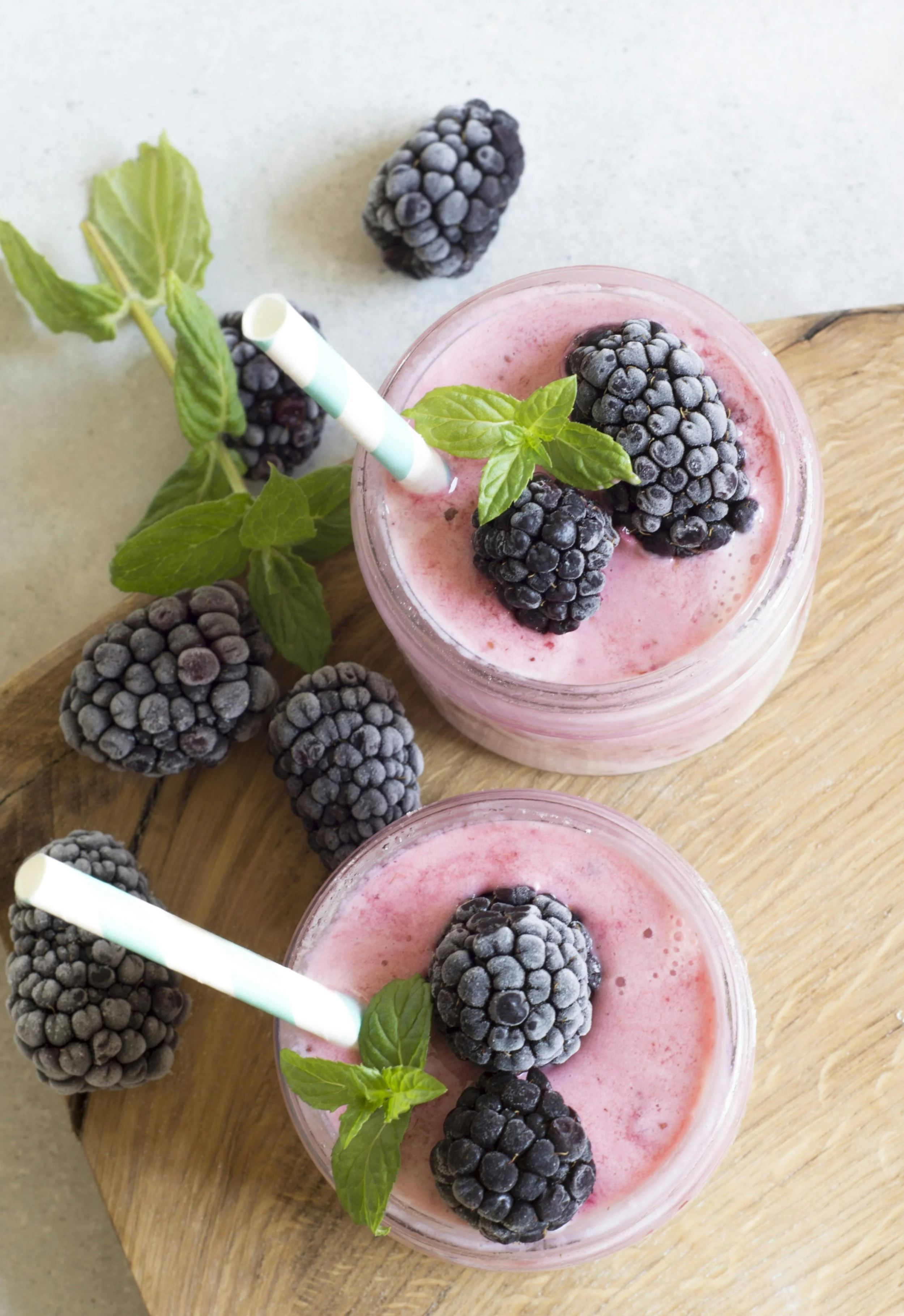
These snack combinations provide nutrients while helping avoid large carbohydrate spikes.
Final Thoughts
Raising a toddler with T1D while navigating picky eating can feel overwhelming at times. But remember, toddlers rarely eat perfectly balanced meals every day.
What matters most is consistency over time.
Small wins- a few bites of protein, trying a new food, dipping vegetables in hummus, or finishing a smoothie- all contribute to healthy growth and better glucose balance.
With patience, flexibility, and creativity you can help your toddler develop a positive relationship with food while supporting their diabetes management.
