
When Your Child with T1D Is at School: Managing Fear, Anxiety & Finding Relief in the School Breaks
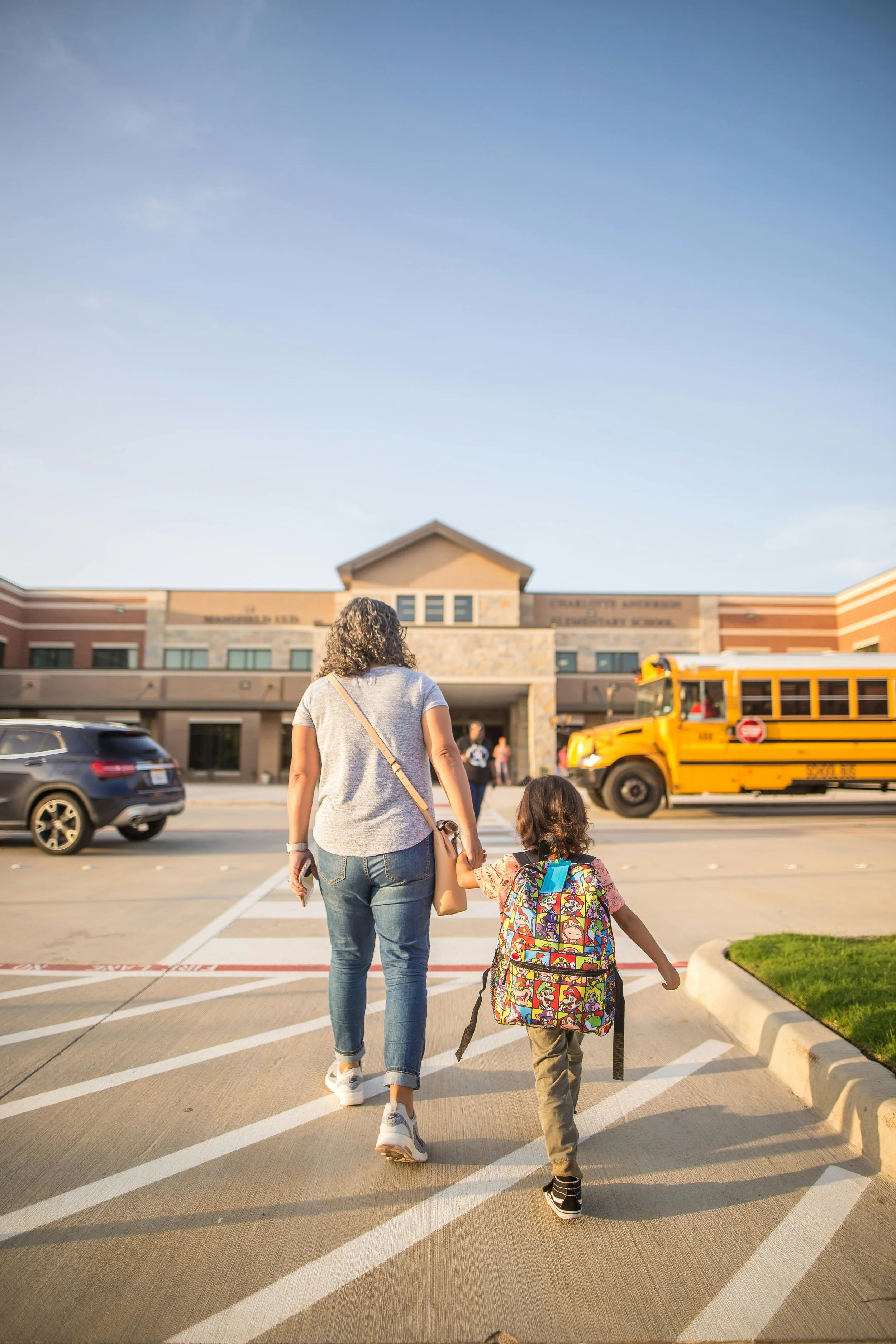
For many parents of children with Type 1 Diabetes, school or nursery isn’t just a place of learning, it’s a place of constant, underlying worry.
You know they will be okay. You’ve put the plans in place, spoken to staff, written everything down, double checked supplies, explained it all again. You’ve done everything right. Yet as you walk away or close the school gate behind you, there’s that familiar pull in your chest. A quiet voice that doesn’t quite switch off.
What if something is missed? What if today is the day something doesn’t go to plan? It’s not that you don’t trust the people caring for your child, it’s that diabetes doesn’t always follow instructions. It’s unpredictable, fast moving, and deeply personal to your child. So even with reassurance, experience, and evidence that they’ve been fine before, part of you stays on alert. Not panicked, but never full at ease either.
Finding Relief in the School Breaks
So when school breaks arrive, something shifts. There’s a quiet, often unspoken sense of relief. Relief that you’re the one watching the numbers. Relief that you don’t have to second guess whether instructions where followed. Relief that your child isn’t navigating hypos in the middle of a classroom, or feeling “different” in front of their peers. Relief that, for a little while, diabetes can be managed in the safety of home, by you.
That feeling is completely valid. Sending a toddler with T1D into nursery or a child or teenager into school requires a level of trust that most people never fully understand. You’re handing over not just your child, but responsibility for something that can change in minutes. Even with the best care plans in place, it can feel like you’re always slightly holding your breath.

School brings more than just logistics, it brings unpredictability:
Missed snacks
Delayed insulin
Extra activity at break time
Stress, excitement, hormones (especially in teens)
Staff who may try their best, but don’t live this 24/7 like you do
So when the routine pauses, your nervous system gets a break too.
But here’s the reality, school and nursery are a part of life. While that fear and anxiety may never full disappear, there are ways to make it feel more manageable, more controlled, and less overwhelming.
Ways to ease the fear when they’re back in school
1. Build confident, informed caregivers
The more knowledgeable staff feel, the safer your child will be. Simple, clear training, not overwhelming medical jargon, goes a long way. Don’t assume understanding; check it gently and regularly.
2. Keep communication simple and consistent
Whether it’s a daily log, a quick message, or agreed chick in times, knowing you’ll hear from school reduces that constant “what if” loop in your mind.
3. Make it easy for staff to contact you
Ensure there’s a clear, agreed upon way for staff to reach you quickly if they are unsure about anything, whether that’s insulin dosing, a reading that doesn’t make sense, or a situation they haven’t encountered before. Knowing they can check in with you, rather than guess, brings reassurance on both sides and can prevent small uncertainties from becoming bigger issues.
4. Use technology where possible
Continuous glucose monitors (CGMs) can be game changing. Being able to glance at your child’s levels during the day doesn’t remove worry entirely, but it replaces guessing with knowing.
5. Create clear, visual care plans
Printed off copies of step-by-step hypo treatments, insulin guidance, and emergency actions, written in a way that is easy to follow under pressure can make all the difference.
6. Prepare your child in an age appropriate way
Even toddlers can begin to understand routines. As children grow, confidence becomes one of the strongest safety tools they have.
7. Accept that perfection isn’t the goal
Numbers may run higher or lower some days at school, and that’s okay. Safety matters more than perfect control.

Most importantly, give your self permission to feel both things at once:
The relief when they are home and safe with you
The anxiety when you send them back out into the world
Both can exist together.
You are not overreacting. You are parenting a child with a condition that demands constant vigilance, and learning, every day, how to slowly share that responsibility with others. Over time, with the right support, systems, and trust in place, it does get easier to exhale, even when they’re not right beside you.
