
Preventing Overnight Hypos in Winter: What Parents of Children With T1D Have Learned
If you’re parenting a toddler, child or teenager with Type 1 Diabetes, winter nights can feel harder than any other time of year. The cold, the illness, the darker evenings, all of it seems to make overnight hypos more likely.
We’ve been there. We’ve done the 2 am checks. We’ve treated stubborn lows half asleep, in the dark, trying not to fully wake a child who needs rest. Over time, through trial, error, data, and a lot of instinct, we’ve learned what actually helps.
This isn’t theory. These are the practical things that have made winter nights safer in our homes.
Why Winter Brings More Overnight Hypos (What We’ve Seen)
In winter, overnight hypos don’t usually come out of nowhere. Looking back, they almost always follow a pattern.
Here’s what we’ve noticed most often:
Cold weather can affect insulin sensitivity (some may need more insulin, while others will need less)
Exposure to cold temperatures causes the blood flow around our body to decrease as keeping our core warm is prioritised. These changes to the body’s circulation can slow the absorption of insulin, making insulin less effective.
Cold weather can also lead to slower metabolism as the body burns fewer calories to maintain temperature. This could mean less insulin is needed to keep glucose levels steady.
Children get ill, then suddenly need less insulin as they recover
Activity hits differently, a busy afternoon can cause a low at 3am
Evening routines change: later meals, heavier food, earlier bedtimes
Growth and hormones (especially in teens) mask what’s really going on
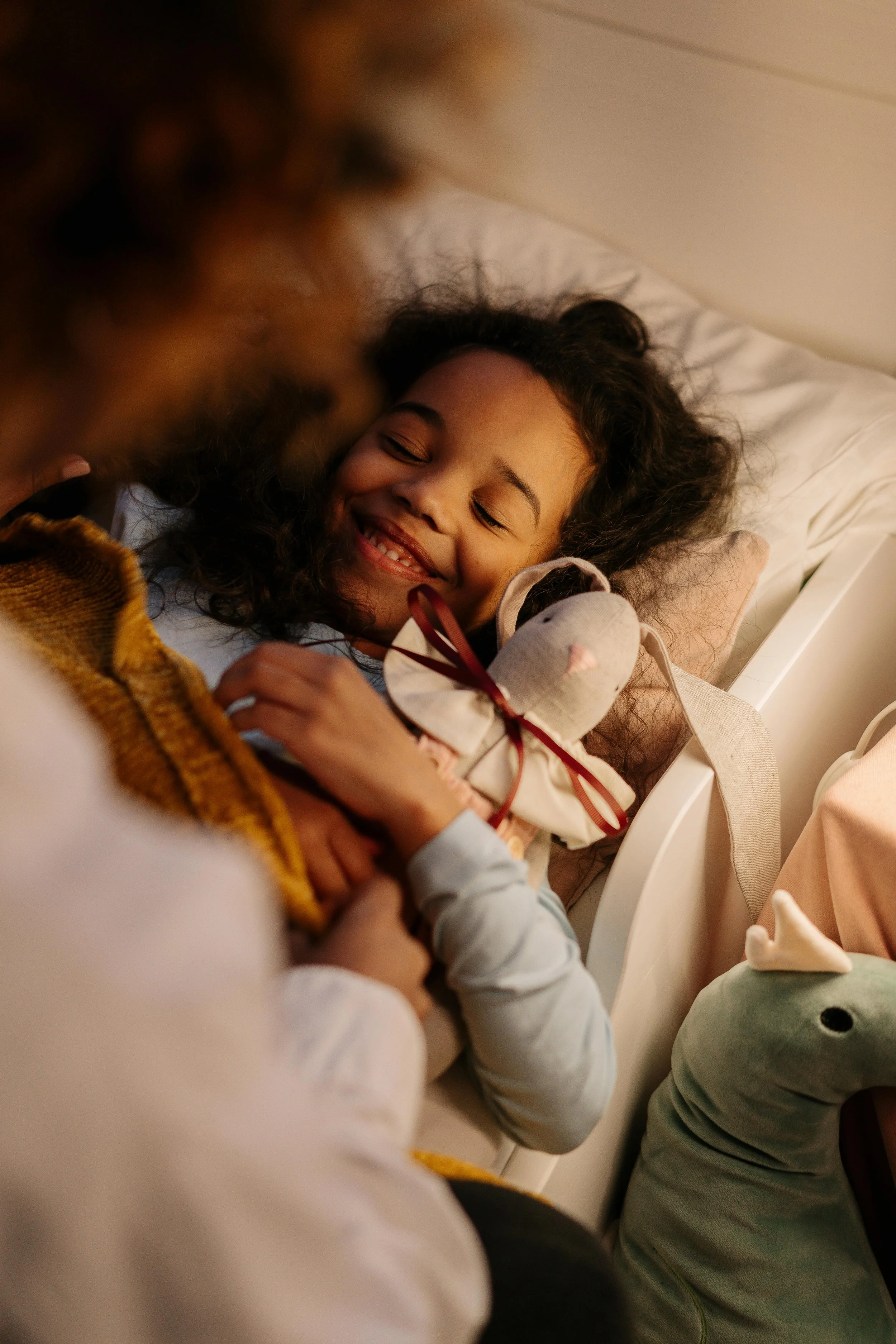
Child in bed hugging stuffed animal
Once we started connecting the dots, prevention became much easier.
What’s Helped Us Most to Prevent Overnight Hypos
1. We Aim for Safety at Bedtime, not “Perfect” Numbers
In winter, we stopped chasing tight bedtime targets. Instead, we aim for:
A steady line, not a fast drop
A little breathing room if the day has been active or unpredictable
We’ve learned that a slightly higher bedtime number is often far safer than going to bed “in range” and dropping overnight.
2. Bedtime Snacks Can Make All The Difference
We used to skip bedtime snacks if numbers looked fine. Winter taught us not to.
What’s worked best for us:
Carbs paired with fat or protein
Nothing too fast-acting on its own
Aiming for 10g-15g carbs
Real life favourites in our houses
Whole grain crackers with cheese or cottage cheese
Small apple with peanut butter
1 slice of toast with peanut butter
Greek yoghurt or milk
Carrot, celery or cucumber sticks with a small pot of hummus
For toddlers, even something small can make a big difference. For teens, the snack often needs to match the day they’ve had, not just the number on the screen.
3. Preventing Overnight Hypos Starts at the Dinner Table
We started noticing patterns:
Lighter meals or lower-carb dinners often led to drops later in the night
Meals high in protein and fat sometimes delayed glucose rises, followed by overnight lows
Soups, salads, and “comfort foods” that felt filling didn’t always provide enough sustained glucose.
Even when numbers looked fine at bedtime, the overnight insulin effect sometimes outweighed the food.
Adjust before the low happens with:
A slightly reduced bolus at dinner
A more substantial bedtime snack
Or both
Avoid over-correcting at bedtime
What We’ve Learned as Pump Families
For those of us with children on pumps, flexibility has been key, but so has recognising when basal is quietly working too hard.
What’s Helped Us:
Using temporary basal reductions after active days or illness
Reducing overnight basal before the low happens, not after
Watching for repeated lows at the same time each night, that’s usually basal, not food
We’ve also learned to trust our pump safety features:
Predictive low suspend
Higher overnight alert thresholds in winter
Keeping devices warm, cold tech doesn’t always behave predictably
When winter hypos kept happening, it was rarely a one off. It was our sign that insulin needs had changed.
What We’ve Learned as Injection (MDI) Families
For those of us using injections, prevention has been more about planning ahead.
What’s Made a Difference:
Being cautious with evening boluses on active days
Making bedtime snacks a consistent safety net
Watching patterns, especially early morning lows
Flagging repeated night hypos to our diabetes team quickly
Many of us found that winter was when long-acting insulin needed revisiting- dose, timing, or splitting- especially after illness or growth changes.
What We Keep by the Bed Now (Because Scrambling at 2 am is the Worst)
Over time, we’ve learned that preparation reduces panic.
By our children’s beds, we keep:
Fast-acting glucose (juice, tabs, gels)
A follow-up carb (biscuit, cereal bar, milk etc)
Water
A soft light or torch
Extra warmth- hypos can feel colder at night
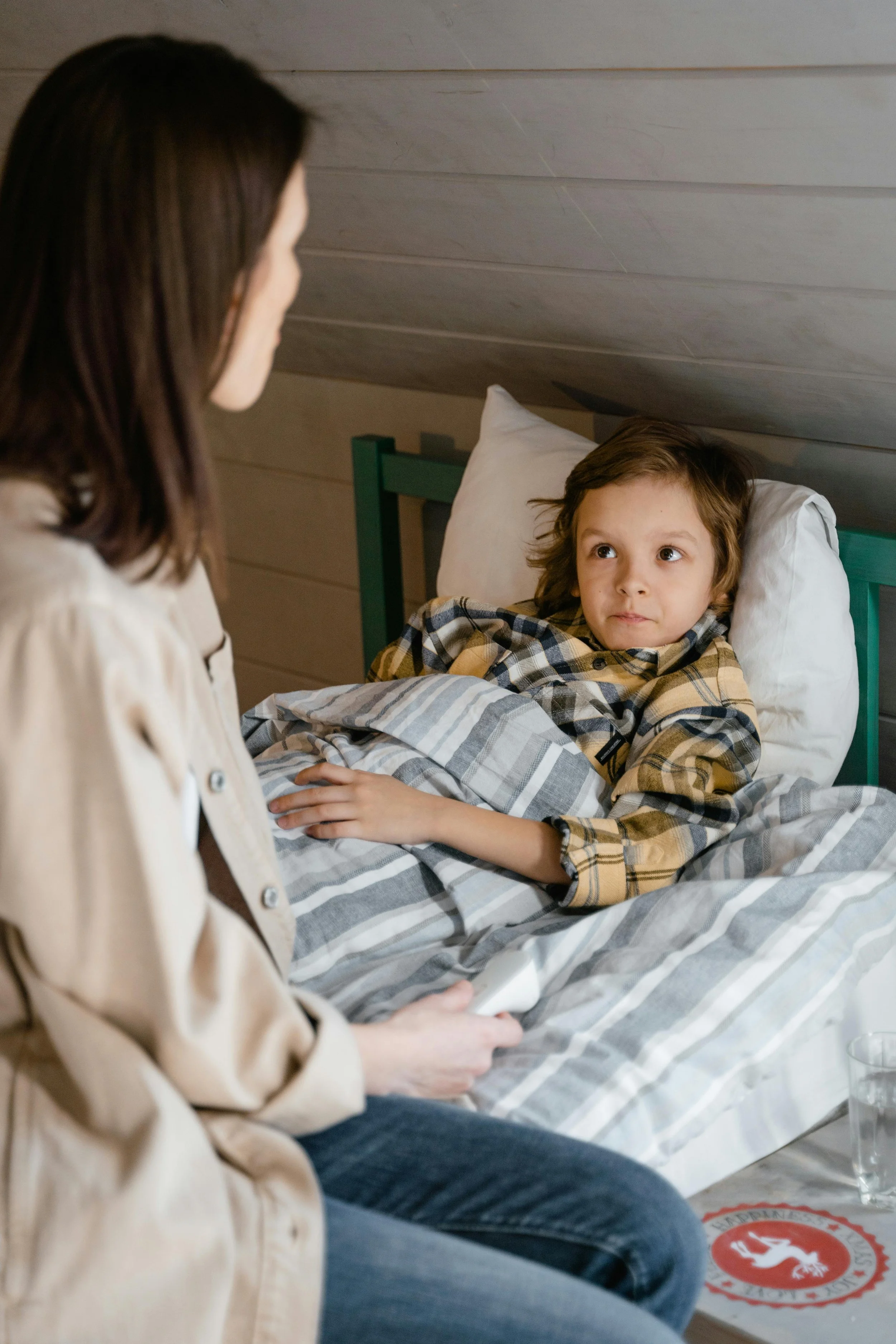
Child in bed
For teens, we encourage them to manage their own bedside kit. For younger children, everything is pre-measured so there’s no thinking involved at 2am.
Things We Wish Someone Had Told Us Earlier
Winter insulin needs can change fast
Illness recovery is a huge hypo risk
Growth can undo everything that worked last month
One overnight hypo doesn’t mean you’ve failed
Repeated hypos are information, not mistakes
Every winter has made us better at spotting patterns, and more forgiving of ourselves when things aren’t perfect.
To Parent’s in the Thick of It
If winter nights feel heavy right now, know this: experience builds quietly. One adjustment at a time. One night at a time.
Preventing overnight hypos isn’t about controlling every variable, it’s about learning your child’s patterns and responding with care. And you’re already doing that, even on the nights that don’t go to plan.
From parents who’ve walked this path, your not alone, and you’re doing an incredible job.
