
Overcorrecting in T1D: Avoiding Insulin Stacking, CGM Pitfalls & Glucose Swings
Managing Type 1 Diabetes often feels like a constant balancing act. When blood glucose levels go out of range, whether too low or to high, there’s an instinctive urge to fix it fast. That urgency is completely natural. After all, no one wants to sit in a hypo or watch their numbers climb.
But, here’s the catch: overcorrecting can create a frustrating cycle of highs and lows that’s harder to manage than the original issue.
Let’s break down why this happens, and how small shifts in approach (including trusting your tech) can make a big difference.

The Urge to “Fix It Now”
Whether it’s a hypo or a hyper, the emotional response is often the same: “I need to sort this immediately.”
Lows can feel scary and urgent
Highs can feel uncomfortable and stressful
Parents may feel pressure to act quickly to keep their child safe
This reaction is not only understandable, it’s human. But acting too quickly or too aggressively can lead to a blood glucose rollercoaster.
What Is Overcorrecting?
Overcorrecting happens when:
You treat a hypo with too many fast acting carbs
You give multiple insulin corrections too close together (insulin stacking)
But there’s another often overlooked driver of overcorrecting- reacting to data too quickly.
With tech like the Dexcom G7 or Freestyle Libre, we have constant access to glucose readings. While this is incredibly empowering, it can also make it harder to wait.
These systems measure glucose in interstitial fluid, not directly in the blood. This means:
CGM readings can lag behind actual blood glucose by 5-15 minutes
During rapid changes, that delay becomes more noticeable
So what happens?
You treat a hypo → CGM still shows low → you treat again → rebound high
You correct a high → CGM still shows high → you add more insulin → later hypo
Pro Tip: In many cases, overcorrecting isn’t about doing the wrong thing, it’s about doing the right thing, twice.
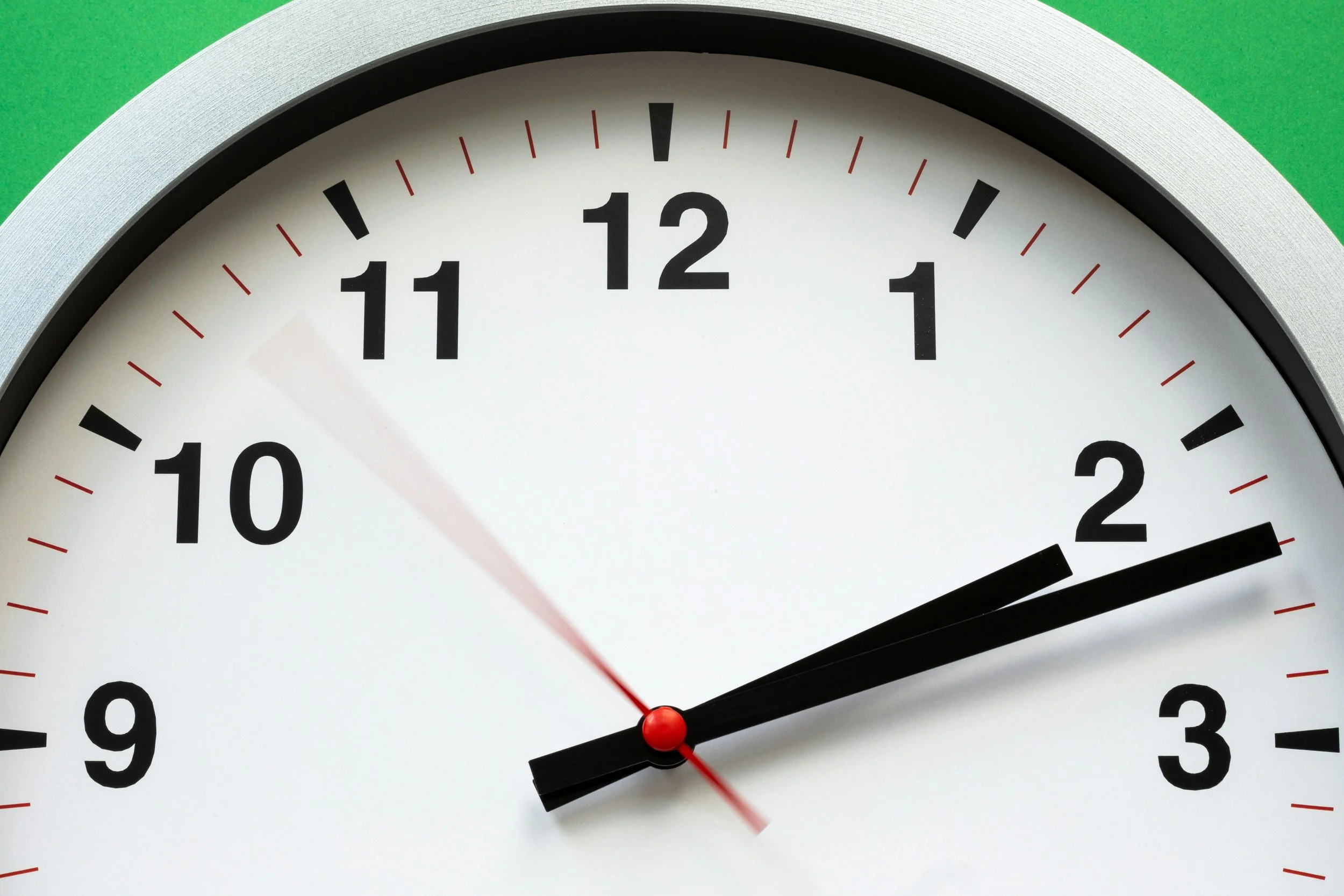
The 15 Minute Rule: Simple but Powerful
One of the most effective strategies for treating a hypo is the 15 minute rule:
Take 15g of fast acting carbohydrate
Wait 15 minutes
Recheck before taking more
This pause is key, not just for your body, but for your data.
It allows time for:
Glucose to be absorbed
Your blood sugar to rise
Your CGM to catch up with what’s actually happening
Pro Tip: If you’re ever unsure whether a low is resolving, or if symptoms don’t match your sensor reading, a finger prick check can give you a real time answer and help avoid unnecessary extra treatment.
Why Insulin Stacking Causes Problems
When correcting a high, it’s tempting to add more insulin if numbers aren’t coming down quickly. But insulin, especially rapid acting, takes time to work.
Giving another correction too soon leads to:
Too much active insulin (insulin on board)
A delayed but significant drop
Increased risk of hypoglycaemia
And again, CGM delay can play a role here .If your sensor still shows high glucose, it may simply not yet reflect the insulin that’s already working.

Trusting Your Insulin Pump Technology
Modern insulin pumps aren’t just delivery devices, they’re increasingly intelligent systems designed to prevent exactly the kind of overcorrection many people struggle with.
Take the Omnipod 5, for example. It:
Learns your insulin needs over time
Adjusts delivery automatically
Predicts glucose levels up to an hour ahead
Other systems do similar things:
Tandem t:slim X2 predicts and adjusts basal insulin, even suspending delivery to prevent lows
Medtronic MiniMed 780G delivers automatic correction boluses based on predicted trends
These systems rely heavily on CGM data, but importantly, they are designed to interpret trends over time, not react to a single reading.
Why Stacking Can Work Against Smart Tech
When you manually step in too quickly:
The pump may have already increased insulin
You add more based on a CGM reading that’s slightly behind
The algorithm and your manual correction overlap
This creates a delayed “double effect”, often leading to a drop later on. In other words, the system is already doing the work, but the timing mismatch makes it look like it isn’t.
What’s Really Happening in the Background
Your body and your technology are all working on slightly different timelines:
Fast acting carbs: ~ 10-15 minutes
Rapid acting insulin: up to 3-4 hours
CGMs: delayed reflection of blood glucose
Pumps: predicting ahead based on trends
Overcorrecting often happens in the gap between these timelines, when we react before everything has had a chance to play out.

The Emotional Side of Letting Go
Trusting your insulin, your pump, and even your data (while understanding it’s limits) isn’t easy.
“What if it’s not working?”
“What if they go low?”
“What if I should have given more insulin?”!
These thoughts are completely normal, especially for parents, but often, what feels like inaction is actually informed restraint.
A More Balanced Approach
Here’s what can help reduce overcorrecting:
Trust the Process (and the Tech)- Let insulin, carbs, and your pump do their job before stepping in again.
Pause Before Reacting to CGM Data- Remember it may be slightly behind, especially during rapid changes.
Confirm When Needed- If readings don’t match how you feel, a finger prick can guide safer decisions.
Check Insulin on Board- Be aware of what’s already active before adding more.
Use Trends, Not Just Numbers- Direction arrows matter more than a single reading.
Accept That Slower Can Be Safer- A steady return to range is more stable than a sharp swing.
The Takeaway
Overcorrecting is something almost everyone managing T1D experiences. It comes from a place of urgency, care and responsibility.
But with:
The 15 minute rule
Awareness of insulin on board
Understanding CGM timing
And trusting smart insulin pump technology
You can move from reactive to more stable, predictive management.
Sometimes, the most powerful thing you can do isn’t act faster…it’s to pause long enough to let everything already in motion catch up.
