
How Insulin Pumps Help When Your Child Is Ill

Sick days with Type 1 Diabetes have a way of knocking your confidence, no matter how experienced you are. You can be years into this journey- steady, capable, knowing your child’s patterns- and then illness arrives and everything feels different. Numbers climb for no clear reason, food becomes unpredictable, nights feel longer, and that quiet question creeps in: am I doing enough?
We managed sick days on injections for seven years. We learned what worked, we got through viruses, bugs, and long night all of which we handled. So this isn’t about saying one way is better than another. Many families manage illness safely and confidently on MDI, and access to pump technology isn’t always straightforward. This is simply about how the experience can feel different when you do have that added layer of support.
Why Illness Changes Everything
When a child with Type 1 Diabetes is unwell, the body releases stress hormones that push glucose levels up and increase insulin resistance. At the same time, appetite often disappears, activity drops, and sometimes vomiting enters the picture.
You’re suddenly balancing two competing risks:
Rising glucose levels and ketones
Falling glucose levels if your child isn’t eating
It’s not just about numbers, it’s about constantly adjusting to a moving target.

Living Through Sick Days on MDI
On injections, much of the challenge comes from working around insulin that’s already been given. Long acting insulin continues doing its job in the background, whether your child is eating or not.
So when things change quickly, as they often do in illness, you’re adapting in real time, sometimes with limited flexibility.
That can look like:
Giving correction doses more frequently
Watching closely if food intake drops
Managing around insulin that can’t be easily reduced
It’s absolutely doable, we did it for years, but it can feel like you’re always slightly reacting rather than adjusting ahead.
Smart Pumps That Offer This Support
Several systems now offer automated insulin delivery (AID), meaning they adjust insulin based on real time glucose data:
Omnipod 5 Automated Insulin Delivery System (tubeless, SmartAdjust technology)
Medtronic MiniMed 780G System (SmartGuard with auto-corrections)
Tandem t:slim X2 with Control-IQ (predictive adjustments + auto corrections)
CamAPS FX with YpsoPump (widely used in paediatric care)
All of these systems use algorithms to:
Predict where glucose is heading
Adjust insulin delivery every few minutes
Help increase time in range and reduce hypers/hypos
They each feel slightly different to live with, but the core idea is the same: responsive insulin, rather than fixed insulin.

How a Smart Pump Changes the Feel of Sick Days
Using a system like the Omnipod 5 AID System doesn’t remove responsibility, but it does change how support shows up.
Instead of long acting insulin, everything is delivered as rapid acting insulin in tiny amounts, adjusted every few minutes.
What that looks like in real life:
When glucose is rising:
Insulin increases gradually in the background
You’re not waiting to step in with large corrections
When your child isn’t eating or feels worse:
Insulin delivery can reduce or pause
You’re not working against insulin that’s already “locked in”
Overnight:
Adjustments continue while your child sleeps
Trends are managed more gradually
Vomiting Bugs: Where This Really Matters
This is often the hardest scenario.
When your child is vomiting or refusing food, it can feel completely counter-intuitive, but they still need insulin, even if they’re not eating.
Without enough insulin:
Glucose levels can rise quickly
Ketones can build
There is a real risk of DKA
At the same time, giving insulin without food can feel frightening.
On MDI, this can feel like a constant balancing act:
Long acting insulin is already working
Corrections may be needed, but carry risk
You’re trying to prevent both highs and lows at once
With automated systems like:
Omnipod 5 Automated Insulin Delivery System
Medtronic MiniMed 780G System
Tandem t:slim X2 with Control-IQ
There’s an added layer of support:
Background insulin continues in tiny amounts → helping prevent ketones
Insulin reduces automatically if glucose drops → lowering hypo risk
Adjustments happen every few minutes → rather than big decisions spaced hours apart
So instead of choosing between “give insulin” or “hold back,” you have a system that is constantly fine tuning alongside you.
It doesn’t remove the stress completely, but it can make this particular situation feel more manageable.
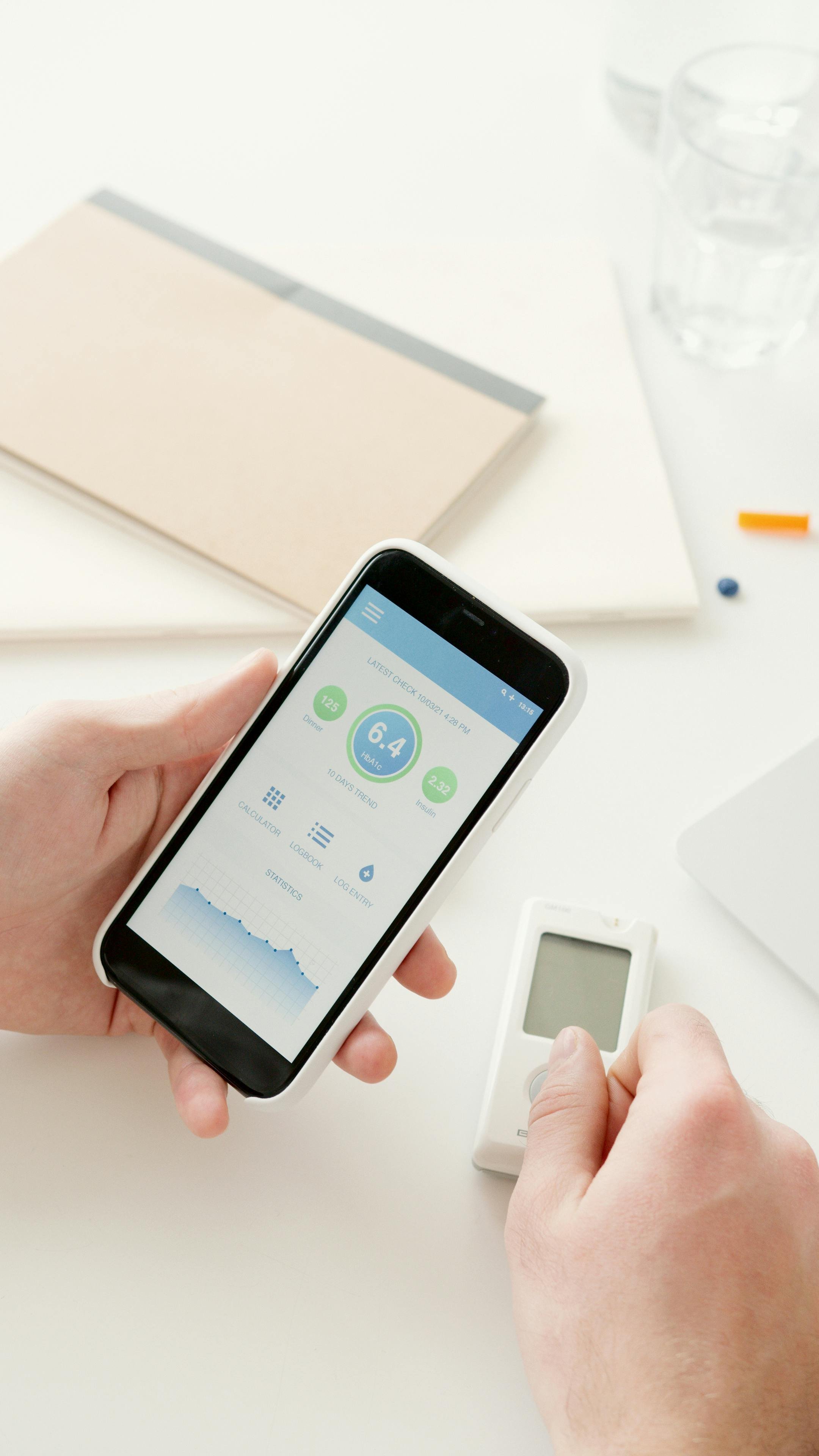
The “Drip Effect”
One of the biggest shifts is how insulin is delivered.
Instead of: Larger doses spaced hours apart
You get: Small, frequent adjustments every few minutes
During illness, this often means:
Fewer sharp spikes
Fewer sudden drops
A steadier overall picture
Why Parents Call It a Game Changer
Not because it makes sick days easier, but because it changes the type of work you’re doing.
Less reacting in big moments
More gentle, ongoing adjustment
Support when appetite disappears
A safety net during vomiting illnesses
It creates breathing space in situations that usually feels overwhelming.

Myth vs. Reality
Pumps don’t “handle everything” → You are still in charge
Ketone checks are still essential → Especially with high glucose or vomiting
Automation doesn’t prevent all highs and lows → Illness can override patterns
You can’t fully switch off → But you may not need to firefight as much
Final Thoughts
If you’re reading this in the middle of a sick day, or preparing for the next one, pause here for a moment.
You've already done this. You’ve already learned. You’ve already handled hard days, even on MDI.
Whether you’re using injections or a system like the Omnipod 5, you are the constant in all of this.
You know your child’s signs
You recognise when something isn’t right
You’ve built experience that no technology can replace
You are the expert on your child. Technology is simply a tool that supports the wisdom you’ve already built. On sick days, especially the tough ones, that wisdom matters more than anything.
